

close
Choose Your Site
Global
Social Media


Views: 0 Author: Site Editor Publish Time: 2026-02-25 Origin: Site


A cup filling machine makes filling cups fast, precise, and hygienic. From yogurt and puddings to sauces and liquid medicines, it ensures every portion is consistent and neat. By reducing waste and speeding up production, it helps businesses stay efficient and reliable. Let’s explore how this essential machine works and boosts your operations.
A cup filling machine is an automated device designed to fill pre-formed cups accurately and efficiently. Its main purpose is to speed up production while keeping each portion consistent. They are used across food, dairy, beverage, and pharmaceutical industries to handle liquids, semi-liquids, and viscous products.
It’s simple: the machine loads cups, dispenses a precise amount of product, and sometimes seals them. The core goal is precision, hygiene, and efficiency. By automating this process, businesses reduce labor, errors, and product waste.
| Machine Type | Purpose | Automation Level | Typical Use |
|---|---|---|---|
| Cup Filling Machine | Fill cups only | Semi or Fully Automatic | Yogurt, sauces, puddings |
| Cup Filling & Sealing Machine | Fill and seal cups | Fully Automatic | Dairy, beverages, jelly |
| Automatic Cup Filler | Complete automated filling | Fully Automatic | Large-scale production, multiple products |
It’s easy to see the difference: some just fill, others fill and seal, and the fully automatic ones handle high-speed production with minimal human intervention.
Cup fillers can handle almost any cup material:
Plastic cups (rigid or disposable)
Paper cups (eco-friendly options)
Glass jars
Aluminum cups
Biodegradable containers
Sizes can vary too, from small 50ml portions to 1L cups, making the machine versatile for multiple product lines.
They are designed to fit seamlessly into existing packaging lines. They sit between cup feeders and conveyors, often linking to labeling, coding, or packing stations. It’s a smooth workflow that keeps production continuous.
By filling exact volumes every time, the machine ensures:
Uniform portion sizes
Consistent texture and appearance
Improved shelf presentation
This consistency builds trust in the brand and helps meet regulatory standards for packaged foods.
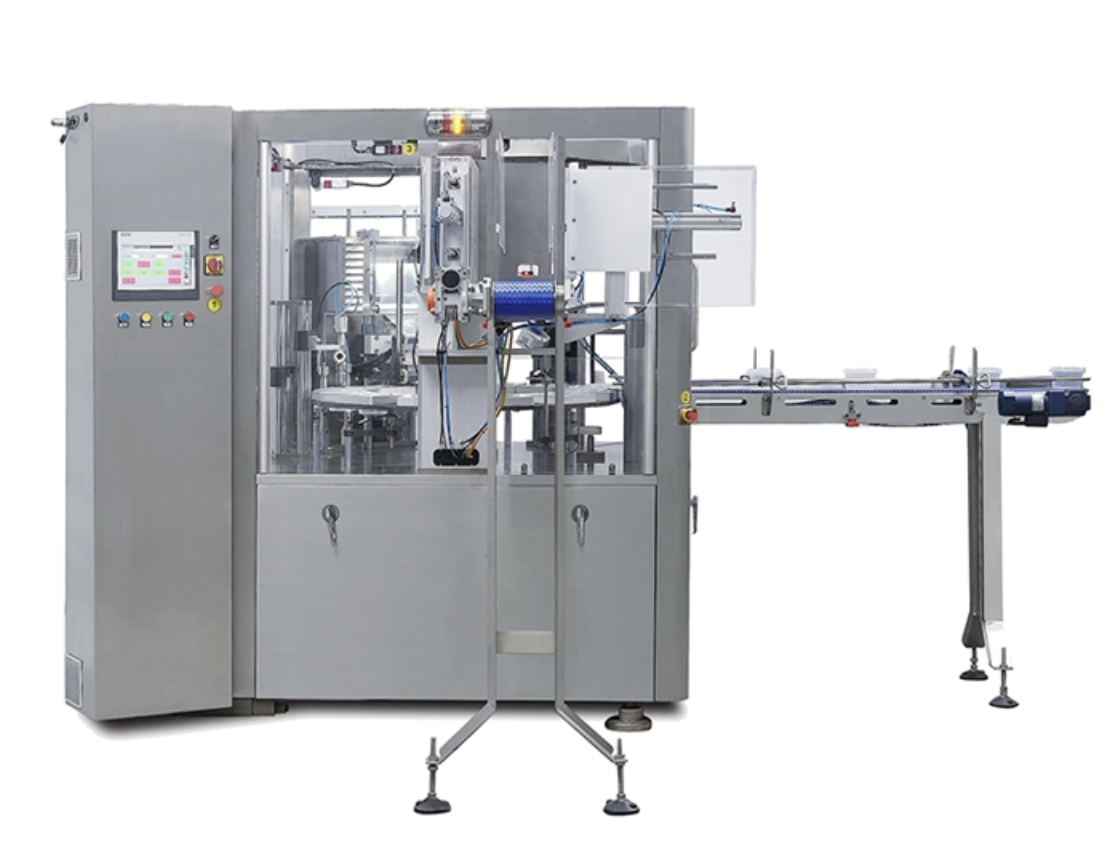
Cup filling machines come in different types based on automation, design, and filling method. Choosing the right one depends on your product, production volume, and budget.
Semi-Automatic Cup Filling Machines
Operators place cups manually, while the machine handles filling and sealing. Ideal for small or medium-sized production lines. Easy to operate and lower cost, but slower than fully automatic options.
Fully Automatic Cup Filling Machines
Cups are loaded, filled, sealed, and ejected automatically. Perfect for high-speed, large-scale production. Minimal human intervention and consistent results.
| Feature | Semi-Automatic | Fully Automatic |
|---|---|---|
| Cup placement | Manual | Automatic |
| Filling & sealing | Automatic | Automatic |
| Speed | Low to medium | High |
| Ideal for | Small/medium lines | Large factories |
| Maintenance | Simple | Moderate |
Rotary Cup Filling Machines
Cups rotate on a turntable while being filled. High efficiency and continuous operation. Common in dairy, yogurt, and beverage factories. Handles large volumes easily.
Linear Cup Filling Machines
Cups move along a straight conveyor. Simple design, easier maintenance, suitable for small batches or multiple product types. Slower than rotary machines but flexible.
| Design Type | Advantages | Limitations |
|---|---|---|
| Rotary | High speed, efficient | Complex setup, higher cost |
| Linear | Easy maintenance, flexible | Slower, lower throughput |
Piston Fillers
Perfect for thick or viscous products like yogurt, sauces, jams, or creams. Accurate dosing, reduces waste, handles sticky materials efficiently.
Volumetric / Gravity Fillers
Suitable for liquids or low-viscosity products like juice, milk, or broths. Simple design, easy to clean, but not ideal for thick products.
Multi-Layer Filling Machines
Can fill layered products like yogurt with fruit compote or dessert cups with cream and jelly. Precision controls ensure layers stay separate and uniform.
| Filler Type | Best For | Pros | Cons |
|---|---|---|---|
| Piston | Thick products | Accurate, minimal waste | Slower for liquids |
| Gravity/Volumetric | Liquids | Simple, fast cleaning | Not for viscous items |
| Multi-layer | Layered desserts | High precision, attractive | More complex, higher cost |
A cup filling machine is made of several parts, each playing a vital role in smooth, accurate, and hygienic packaging. Understanding these components helps you see how the machine works and why it’s so efficient.
The hopper stores the product before filling. It keeps it safe from spills, contamination, or waste. Some hoppers have heating or stirring features for sauces or viscous products.
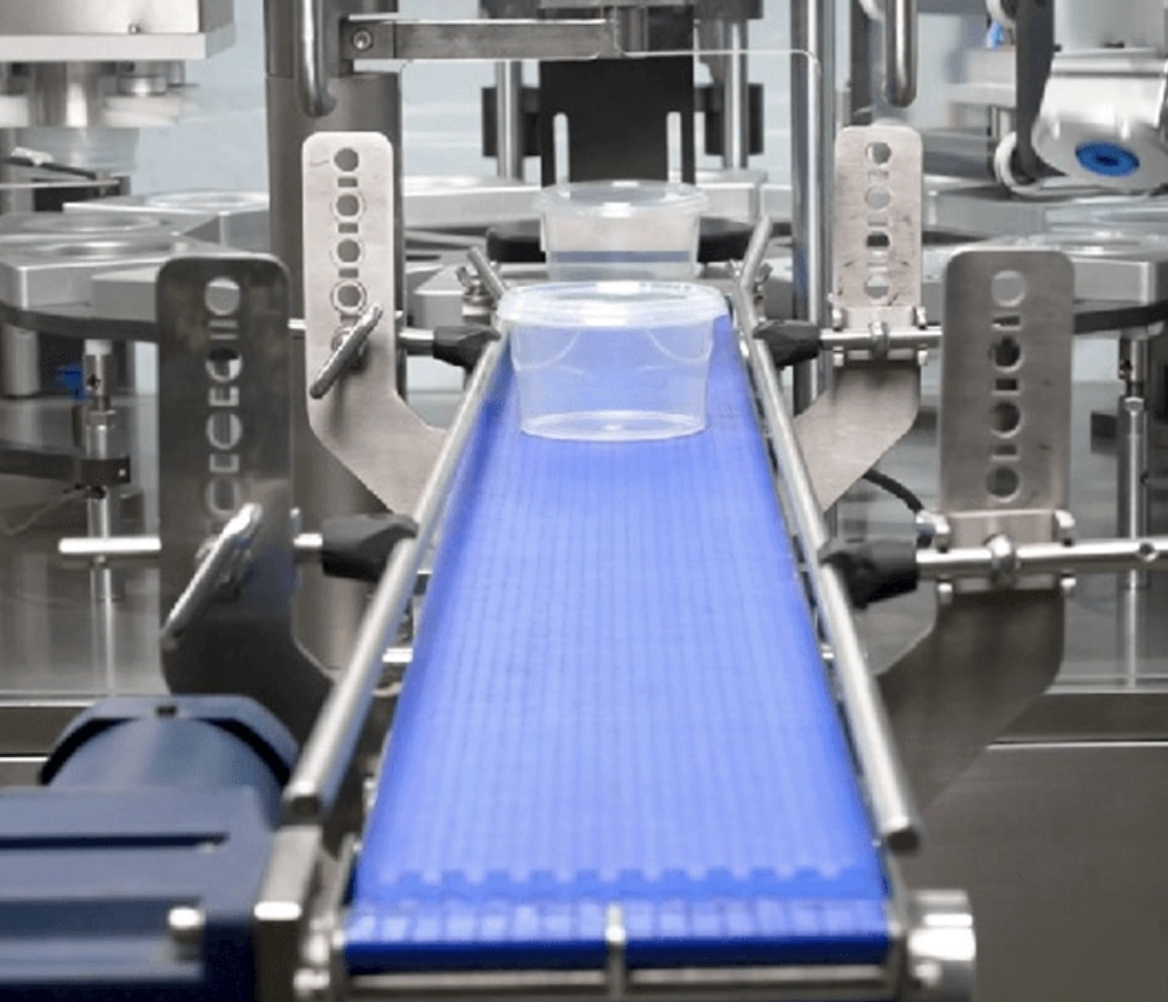
Cups are arranged and indexed on the conveyor. It ensures each cup reaches the filling station in the correct position. Adjustable for different cup sizes and shapes.
The filling unit dispenses the exact amount of product. Piston fillers handle thick items like yogurt or jam, while gravity or volumetric fillers work for liquids. Precision prevents overfilling or wastage.
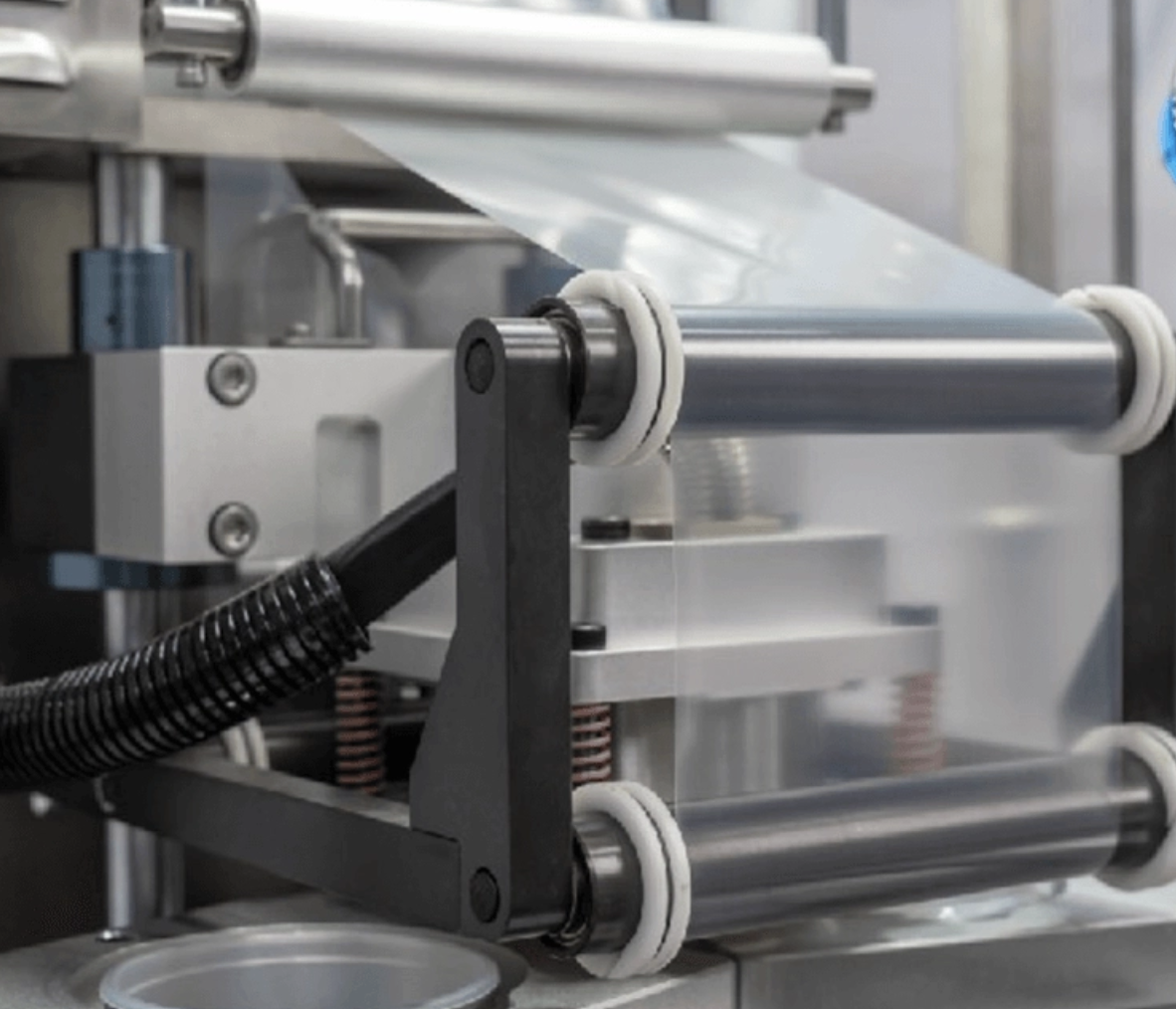
Cups are sealed to maintain freshness. Machines can use heat, foil, or vacuum sealing depending on the product. Proper sealing avoids leakage and extends shelf life.
An optional component that adds extra protection. Lids can be placed automatically, giving an additional layer of security for delicate or perishable items.
Prints essential information on each cup. This includes manufacturing date, expiry date, batch numbers, or product details. Keeps packaging compliant and traceable.
Sensors detect unfilled, overfilled, or damaged cups. They remove defective units before ejection, ensuring only high-quality products reach the customer.
The PLC touch panel allows easy adjustments for volume, speed, and cup size. Operators can customize settings and monitor the machine in real time.
Transfers finished cups to trays, cartons, or the next production line stage. Keeps the workflow smooth and continuous.
Constructed from stainless steel for hygiene and durability. Emergency stop buttons and protective covers ensure operator safety.
| Component | Purpose | Notes |
|---|---|---|
| Loading Hopper | Stores product | Optional heating/stirring |
| Conveyor | Arranges cups | Adjustable for size/shape |
| Filling Unit | Dispenses product | Piston or gravity filling |
| Sealing Unit | Seals cups | Heat, foil, or vacuum |
| Lid Unit | Extra protection | Optional |
| Coding/Labeling | Prints info | Date, batch, product details |
| Sensors | Quality control | Detects defects |
| PLC System | Controls machine | Touchscreen interface |
| Ejection | Moves finished cups | Smooth transfer |
| Frame & Safety | Supports machine | Stainless steel + emergency stop |
A cup filling machine turns raw ingredients into perfectly filled and sealed cups in a smooth, automated process. Here’s how it typically works step by step:
The product is poured into the hopper. It stays safe, ready for dispensing, and prevents spills. Some hoppers stir or heat viscous items like sauces or yogurt.
Empty cups are loaded onto the conveyor. They are spaced and oriented correctly to reach the filling station. Adjustable guides handle different cup sizes and shapes.
The filling unit dispenses a precise amount into each cup. Piston fillers work for thick products; gravity or volumetric fillers suit liquids. Accuracy reduces waste and ensures uniform portions.
Cups are sealed using heat, foil, or vacuum methods depending on the product. The seal keeps the product fresh, prevents leakage, and improves shelf life.
Machines may print batch numbers, expiry dates, or product details directly onto the cup or lid. This ensures traceability and compliance with industry standards.
Sensors check for unfilled, overfilled, or damaged cups. Defective units are removed automatically, guaranteeing only high-quality cups move forward.
Finished cups are transferred to trays, cartons, or the next production stage. This step keeps production continuous and ready for storage or shipping.
Cup filling machines are not limited to a single type of product. They are versatile tools used across multiple industries, helping businesses streamline production while maintaining quality.
They handle a variety of items:
Yogurt and puddings
Sauces, dips, and dressings
Snack cups and desserts
Soups and ready-to-eat noodles
These machines ensure every cup has consistent portions and a neat, sealed finish, reducing waste and improving shelf appeal.
Essential for high-volume operations:
Milk, cream, and flavored beverages
Ice cream cups and mini desserts
Fruit-based dairy desserts
Cheese portions and spreads
Precision filling preserves taste and texture while maintaining hygiene standards.
In pharma, accuracy and safety are critical:
Syrups and liquid medicines
Oral suspensions
Nutritional supplements
Automatic filling prevents dosing errors and ensures tamper-evident packaging for patient safety.
Cosmetic manufacturers benefit from cup fillers for:
Creams and lotions
Skincare solutions
Specialty serums or gels
Uniform filling and sealed cups maintain product integrity and enhance brand trust.
| Industry | Common Products | Benefits of Cup Filling Machine |
|---|---|---|
| Food & Beverages | Yogurt, puddings, sauces, snacks | Consistent portions, less waste, neat sealing |
| Dairy | Milk, ice cream, cheese, fruit desserts | Hygiene, texture preservation, high-speed output |
| Pharmaceuticals | Syrups, suspensions, liquid meds | Accurate dosing, tamper-evident packaging |
| Cosmetics | Creams, lotions, skincare solutions | Product integrity, uniform presentation, efficient packaging |
A: It can fill yogurt, puddings, sauces, jelly, beverages, creams, pharmaceuticals, snacks, soups, ice cream, and other liquid or semi-liquid products.
A: Semi-automatic requires manual cup placement but fills and seals automatically. Fully automatic handles cup loading, filling, sealing, and ejection without manual intervention.
A: Cups move on a rotating platform through filling, sealing, and labeling stations, allowing high-speed, continuous production.
A: Yes, adjustable mechanisms let it work with plastic, paper, glass, aluminum, and biodegradable cups of various sizes.
A: Regular cleaning, lubrication, inspection for wear, sensor checks, and replacement of worn parts.
Investing in a cup filling machine transforms how you handle liquids and semi-solid products, improving speed, accuracy, and hygiene across your production line. From dairy and beverages to cosmetics and pharmaceuticals, it ensures every cup meets quality standards, reduces waste, and keeps customers satisfied.
At ZEEPACK Machinery Co., Ltd., we offer versatile and reliable solutions tailored for your production needs. Our cup filling machines adapt to various cup types, volumes, and viscosities, helping you achieve efficiency and consistency while boosting your brand reputation effortlessly.


