

close
Choose Your Site
Global
Social Media


Views: 0 Author: Site Editor Publish Time: 2026-03-10 Origin: Site


Modern production demands packaging that is fast, hygienic, and visually consistent. Many manufacturers now rely on flexible pouch packaging to improve efficiency and product presentation. A Premade Pouch Packaging Machine helps achieve this by automating pouch feeding, opening, filling, and sealing in a continuous process. Instead of forming bags from film rolls, it uses ready-made pouches and handles them with precise mechanical control. In this article, you will learn how a Premade Pouch Packaging Machine works, including its operating principle, workflow, and key components used in modern automated packaging lines.
A Premade Pouch Packaging Machine begins its process with premanufactured pouches that are stacked inside a pouch magazine. The machine automatically selects one pouch at a time using suction cups or robotic arms. Mechanical grippers then hold the pouch firmly while it moves through the packaging stations. This controlled handling prevents pouch misalignment and ensures consistent positioning during filling and sealing. Because the pouches are already formed, the machine focuses entirely on product filling and sealing tasks, which improves production efficiency and packaging precision.
Most Premade Pouch Packaging Machine systems operate using either a rotary carousel or a linear indexing design. In both layouts, the pouch moves through several stations, and each station performs a single task. One station opens the pouch, another fills it with product, and another seals it. This organized workflow allows different processes to occur simultaneously across multiple pouches. As a result, the packaging line maintains continuous production while preserving high accuracy and repeatability throughout the cycle.
Automation relies heavily on sensors and digital control systems. Modern Premade Pouch Packaging Machine units use proximity sensors and optical detectors to verify that a pouch is present and correctly positioned. If a pouch is missing or misaligned, the machine pauses the filling process to maintain packaging quality. A PLC control system coordinates every movement—from gripper rotation to filling timing—ensuring precise synchronization across stations. These intelligent systems help maintain smooth production and consistent pouch quality throughout long manufacturing runs.
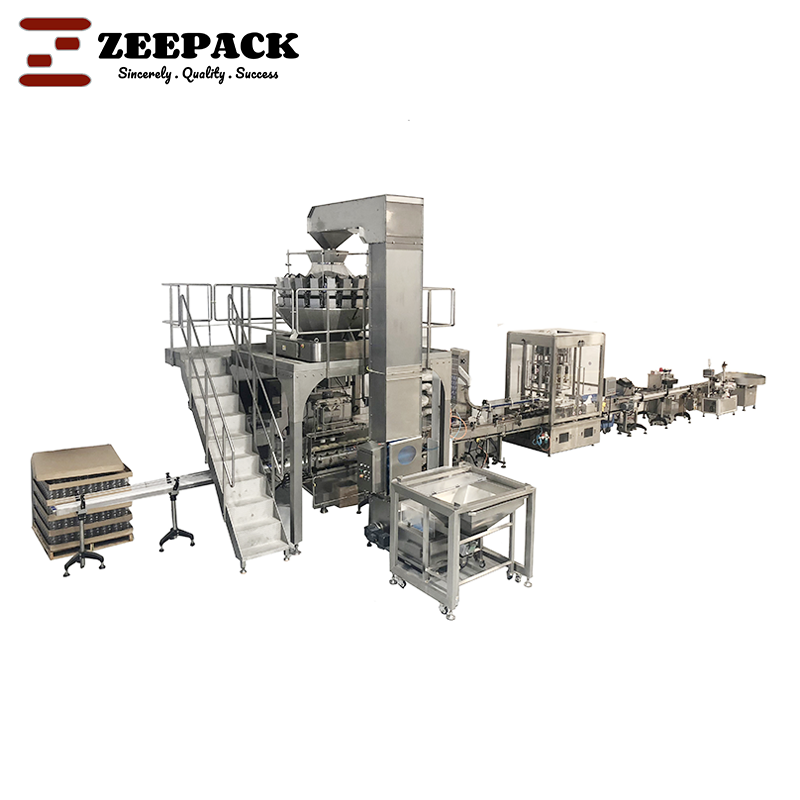
The workflow starts with loading stacks of premade pouches into the pouch magazine. From this magazine, the Premade Pouch Packaging Machine automatically picks individual pouches using vacuum suction devices or robotic pickup systems. After detection by sensors, grippers clamp the pouch edges and transport it along the packaging path. These grippers hold the pouch firmly throughout the process, allowing the machine to move it smoothly from one station to the next while keeping the pouch mouth properly aligned for filling.
Once a pouch is secured by the grippers, it moves to the opening station. Here, vacuum suction pads separate the pouch layers while air blowers inflate the bag to ensure the opening is fully expanded. Some packaging lines also include a coding station before filling. At this stage, inkjet or thermal printers apply batch numbers, expiration dates, or traceability codes. Sensors confirm that the pouch is fully open and correctly positioned before it moves forward to the filling system.
When the pouch reaches the filling and sealing stage, the packaging process becomes highly technical. Precise control of dosing accuracy, sealing temperature, pressure, and cycle time ensures consistent package quality. Different products require different filling technologies and sealing parameters. The structured overview below summarizes key equipment, operating parameters, typical applications, and practical operating considerations used in a Premade Pouch Packaging Machine during this stage.
| Packaging Stage | Key Equipment / Component | Typical Technical Parameters | Application Examples | Operational Notes |
|---|---|---|---|---|
| Product Filling | Auger Filler (Powder Products) | Filling accuracy: ±0.5–1%; filling range: ~10 g – 2 kg depending on model; typical speed: 20–60 pouches/min | Protein powder, flour, spices, pharmaceutical powders | Use agitators or vibration to maintain stable powder flow and prevent bridging inside the hopper |
| Product Filling | Multi-Head Weigher (Solid Products) | Accuracy: typically ±0.1–0.5 g depending on product; heads: usually 10–20; weighing speed: up to 100–120 weigh cycles/min | Nuts, snack foods, candy, dried fruit, frozen food | Free-flowing products work best; vibration feeders ensure uniform product distribution |
| Product Filling | Liquid / Piston Pump Filler | Filling range: ~10 ml – 5 L depending on machine size; filling accuracy: ±0.5–1%; viscosity handling: roughly 1–10,000 cP | Sauces, edible oils, beverages, detergents, cosmetics | Anti-drip nozzles and bottom-up filling prevent splashing and improve hygiene |
| Gas Flushing (Optional) | Nitrogen Modified Atmosphere System | Residual oxygen target: typically <2–3%; gas pressure: ~0.3–0.6 MPa depending on machine design | Coffee, chips, cheese, dried foods | Gas purity should typically exceed 99% to maintain shelf-life benefits |
| Air Removal / Deflation | Mechanical Air Deflators | Air squeezed before sealing to flatten pouch; pressure adjusted to avoid product damage | Powder products, snack foods, granular goods | Helps create clean seals and improves visual presentation on retail shelves |
| Heat Sealing | Heated Seal Bars | Typical sealing temperature: ~120–200°C depending on pouch material; pneumatic pressure: ~0.4–0.6 MPa; dwell time: ~0.3–1.5 s | Laminated plastic pouches, aluminum-foil laminate pouches | Seal parameters depend on film structure such as PET/PE, BOPP/CPP, or PET/AL/PE |
| Seal Cooling | Cooling Bars / Cooling Plates | Cooling time: typically ~0.5–2 s; cooled seal surface usually <40–60°C | Stand-up pouches, flat pouches, zipper pouches | Cooling stabilizes the seal and prevents distortion or seal peeling |
| Finished Pouch Discharge | Outfeed Conveyor System | Conveyor synchronized with machine cycle; total machine speed commonly ~25–200 pouches/min depending on configuration | Food packaging lines, pet food packaging, contract packaging operations | Often integrated with checkweighers, metal detectors, or case packing equipment |
Tip:Sealing temperature must match the pouch material structure. For example, common PET/PE laminated films typically seal effectively around 140–180°C, but optimal settings should always be confirmed through trial sealing tests before full-scale production.
The feeding system acts as the starting point of the Premade Pouch Packaging Machine. A pouch magazine stores stacks of premade bags, while vacuum pick-and-place devices transfer each pouch into the machine’s gripping mechanism. Grippers mounted on a rotary turret or conveyor system move the pouch through each processing station. This mechanical coordination ensures the pouch remains stable during movement, preventing spills or alignment errors during filling and sealing operations.
Different products require different filling technologies. For powder products such as protein or spices, auger fillers provide precise dosing. Liquids like sauces, oils, or beverages are handled using piston pumps or liquid filling nozzles. Solid foods such as nuts, candies, or snacks often rely on multi-head weighing systems to measure exact portions. These integrated filling devices allow a Premade Pouch Packaging Machine to handle a wide variety of products while maintaining accurate filling volumes.
After filling, the pouch enters the sealing stage where heated seal bars close the top edge of the bag. These bars apply heat, pressure, and dwell time to fuse the pouch layers together. Many Premade Pouch Packaging Machine models also include deflation systems that remove excess air before sealing, which helps produce flat, professional-looking packages. Cooling bars follow the sealing process to stabilize the seam and ensure the pouch remains securely closed during transport and storage.
The rotary Premade Pouch Packaging Machine is one of the most common configurations in industrial packaging lines. It uses a circular carousel with multiple stations arranged around the rotating platform. As the carousel turns, each pouch travels from one station to another, completing different packaging steps along the way. This design allows multiple pouches to be processed simultaneously, which significantly increases production speed and maintains consistent packaging output across large manufacturing operations.
A horizontal Premade Pouch Packaging Machine transports pouches through a linear sequence of stations, allowing each process step to occur in a controlled order. This design is widely used in medium-speed packaging lines because it simplifies equipment layout and integrates easily with upstream filling systems and downstream automation equipment.
| System Module | Key Equipment / Function | Typical Technical Specifications | Common Applications | Operational Considerations |
|---|---|---|---|---|
| Pouch Feeding Unit | Pouch magazine and automatic pick-and-place system | Magazine capacity typically 200–600 pouches depending on pouch thickness; vacuum pickup pressure ~−60 to −80 kPa | Snack packaging, dried fruit packaging, cosmetic sachets | Pouches must be stacked evenly to prevent double pickup or feeding interruptions |
| Pouch Transport Mechanism | Linear indexing conveyor with mechanical grippers | Indexing speed typically 20–60 pouches/min for standard horizontal machines; servo-driven motion control | Medium-speed food packaging lines, contract packaging facilities | Proper synchronization between stations prevents pouch misalignment during transfer |
| Pouch Opening Station | Vacuum suction pads and air inflation nozzles | Vacuum pressure typically −60 to −80 kPa; compressed air supply usually 0.5–0.7 MPa | Powder pouches, stand-up pouches, zipper pouches | Ensure clean air supply; contamination may affect suction performance |
| Filling Station | Auger filler, volumetric filler, or liquid pump | Powder filling accuracy: ±0.5–1%; liquid filling accuracy: ±0.5–1%; typical filling range 10 g–2 kg or 10 ml–5 L depending on filler | Spices, protein powder, sauces, edible oil, detergent | Choose filling system based on product flow properties and viscosity |
| Sealing Station | Heat sealing jaws with pneumatic pressure | Sealing temperature typically 120–200°C depending on laminate structure; pneumatic pressure ~0.4–0.6 MPa; sealing time 0.3–1.5 s | PET/PE, BOPP/CPP, PET/AL/PE laminated pouches | Seal temperature must match film material to avoid weak seals or film damage |
| Cooling Station | Cooling bars or water-cooled plates | Cooling time typically 0.5–2 seconds; final seal temperature <40–60°C | Stand-up pouches, flat pouches, retort-ready packaging | Proper cooling stabilizes seals and prevents deformation during discharge |
| Discharge and Conveyor System | Outfeed conveyor and transfer system | Conveyor speed synchronized with machine cycle; typical system output 20–60 pouches/min | Integrated packaging lines with checkweighers or cartoners | Maintain conveyor alignment to avoid pouch tipping or stacking errors |
| System Control | PLC control with touch-screen HMI | Typical control voltage 24 V DC; compressed air supply requirement ~0.6–0.8 MPa | Automated food and pharmaceutical packaging environments | Regular calibration ensures precise station timing and machine reliability |
Tip:Horizontal machines often integrate easily with upstream dosing equipment such as multi-head weighers or liquid fillers. When planning the line layout, maintain sufficient buffer space between machines to stabilize product flow and prevent production bottlenecks.
Advanced packaging facilities sometimes deploy multi-lane Premade Pouch Packaging Machine systems. Instead of processing a single pouch at a time, these machines operate multiple parallel lanes that package products simultaneously. Multi-lane designs dramatically increase output and are often used in large-scale food or pharmaceutical packaging plants. They can also integrate with downstream equipment such as check weighers, metal detectors, and carton packers to create a fully automated packaging line.
Stand-up pouches, often called Doypack pouches, are widely used with a Premade Pouch Packaging Machine because they provide excellent shelf presentation. Their bottom gusset allows the pouch to stand upright on store shelves, which improves product visibility. Side-gusset pouches also expand when filled, making them suitable for products like coffee, grains, and pet food. These flexible packaging formats combine strong sealing layers with convenient storage capacity for a variety of consumer goods.
Flat pouches are another common packaging format. Three-side seal and four-side seal pouches are frequently used for single-serve items such as snacks, sauces, or powdered ingredients. A Premade Pouch Packaging Machine handles these pouches efficiently because their simple structure allows quick opening and filling. Pillow pouches are also popular for lightweight food products, offering compact storage and cost-effective distribution for manufacturers.
Specialized pouches offer additional consumer convenience. Zipper pouches allow customers to reseal products after opening, making them ideal for nuts, dried fruit, or snacks. Spouted pouches are commonly used for liquids such as beverages, baby food, or detergents. Retort pouches can withstand high temperatures and are suitable for ready-to-eat meals. A versatile Premade Pouch Packaging Machine can process these different pouch designs while maintaining accurate filling and strong sealing.
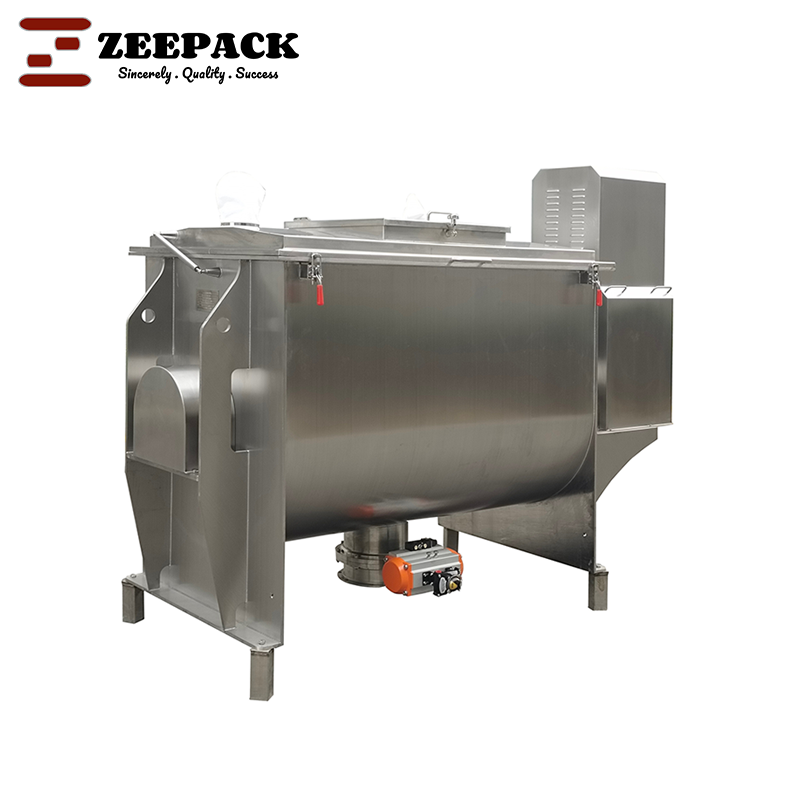
Automation allows a Premade Pouch Packaging Machine to maintain stable production speeds while reducing operator workload. Modern systems use servo-driven indexing and PLC control to synchronize pouch movement, filling accuracy, and sealing timing. Depending on machine configuration and pouch size, typical packaging speeds range from about 25 to over 150 pouches per minute. Consistent cycle timing also helps reduce product loss and improves line efficiency. When integrated with checkweighers and conveyors, the machine forms part of a continuous automated packaging line that supports large-scale production.
A Premade Pouch Packaging Machine supports a wide range of products because the filling system can be customized according to material characteristics. Auger fillers handle powders, piston fillers manage liquids and pastes, and multi-head weighers accurately portion solid foods. The same machine can also process stand-up pouches, zipper pouches, flat pouches, and spouted pouches by adjusting grippers and sealing tools. This flexibility allows manufacturers to launch new products or packaging sizes quickly without redesigning the entire packaging line.
Consistent sealing and accurate dosing play a major role in product quality. A Premade Pouch Packaging Machine uses controlled heat, pressure, and sealing time to create strong and uniform seals, which helps prevent leakage and contamination. Stable filling systems ensure every pouch contains the correct product weight, reducing packaging variability. In addition, precise pouch positioning and air removal improve package appearance, allowing finished pouches to stand upright and display clearly on retail shelves, which supports stronger brand presentation and consumer confidence.
A Premade Pouch Packaging Machine automates pouch feeding, opening, filling, and sealing in one continuous process. It improves packaging efficiency, accuracy, and product presentation across many industries. With advanced automation and flexible configurations, manufacturers can package powders, liquids, and solids using different pouch styles. ZEEPACK Machinery Co., Ltd. provides reliable packaging equipment designed for stable performance, precise filling systems, and efficient production support, helping businesses achieve consistent packaging quality and scalable automated operations.
A: A Premade Pouch Packaging Machine fills and seals ready-made pouches automatically.
A: The Premade Pouch Packaging Machine feeds, opens, fills, and seals pouches.
A: A Premade Pouch Packaging Machine packs powders, liquids, and solid foods.
A: A Premade Pouch Packaging Machine improves speed, hygiene, and packaging consistency.
A: Typical Premade Pouch Packaging Machine speeds range from 25–150 pouches per minute.


