

close
Choose Your Site
Global
Social Media


Views: 0 Author: Site Editor Publish Time: 2026-03-05 Origin: Site


Flexible packaging is growing quickly across many industries. More brands now prefer lightweight pouches instead of rigid containers because they improve shelf display and reduce transportation weight. To package these pouches efficiently, manufacturers rely on a Premade Pouch Packaging Machin. This automated system opens, fills, and seals preformed pouches with high accuracy and speed. In this article, you will learn what a Premade Pouch Packaging Machin is and how it supports modern packaging production.
A Premade Pouch Packaging Machine is an automated packaging system designed to fill and seal pre-manufactured pouches. Instead of forming bags from film rolls, the machine handles finished pouches delivered by packaging suppliers. These pouches may include stand-up designs, zipper closures, or specialty shapes. The system focuses on precise handling and product dosing. It grips the pouch, opens it gently, inserts the product, and seals it using controlled heat and pressure. Because the pouch already has a defined structure, the machine operates with high stability and accuracy. This design improves sealing consistency and allows manufacturers to package powders, liquids, granules, or solids using the same core equipment.
A modern Premade Pouch Packaging Machine integrates several functional modules. Each module performs a specific task in the packaging cycle. Together they create a fully automated production flow that maintains accuracy and efficiency throughout continuous operation. The pouch feeder stores stacks of preformed pouches. Mechanical arms or vacuum systems pick up each pouch and transfer it into the machine. The opening system then separates the pouch mouth using suction pads or air jets. Once opened, the filling unit dispenses the correct product quantity. This module may include auger fillers for powders, pumps for liquids, or multi-head weighers for granules.
After filling, the pouch moves to the sealing station. Heated jaws apply pressure and temperature to bond the pouch layers securely. Finally, the discharge conveyor moves the finished package to downstream equipment such as check weighers or cartoning systems.
Traditional packaging machines often create bags from roll film. These systems are known as form-fill-seal machines. They must first form the bag before filling the product. This extra step requires precise film control and temperature regulation. A Premade Pouch Packaging Machine works differently. It skips the bag-forming stage entirely. Instead, it uses pouches that already have finished shapes and sealing edges. Because of this, the machine focuses only on filling and sealing operations. The simplified workflow reduces setup complexity and improves operational stability.
Another major difference lies in packaging design. Premade pouches allow complex shapes, resealable zippers, and spouts. These features are difficult to create directly on a form-fill-seal machine. For brands that prioritize product presentation and shelf appeal, premade pouch systems offer greater flexibility.
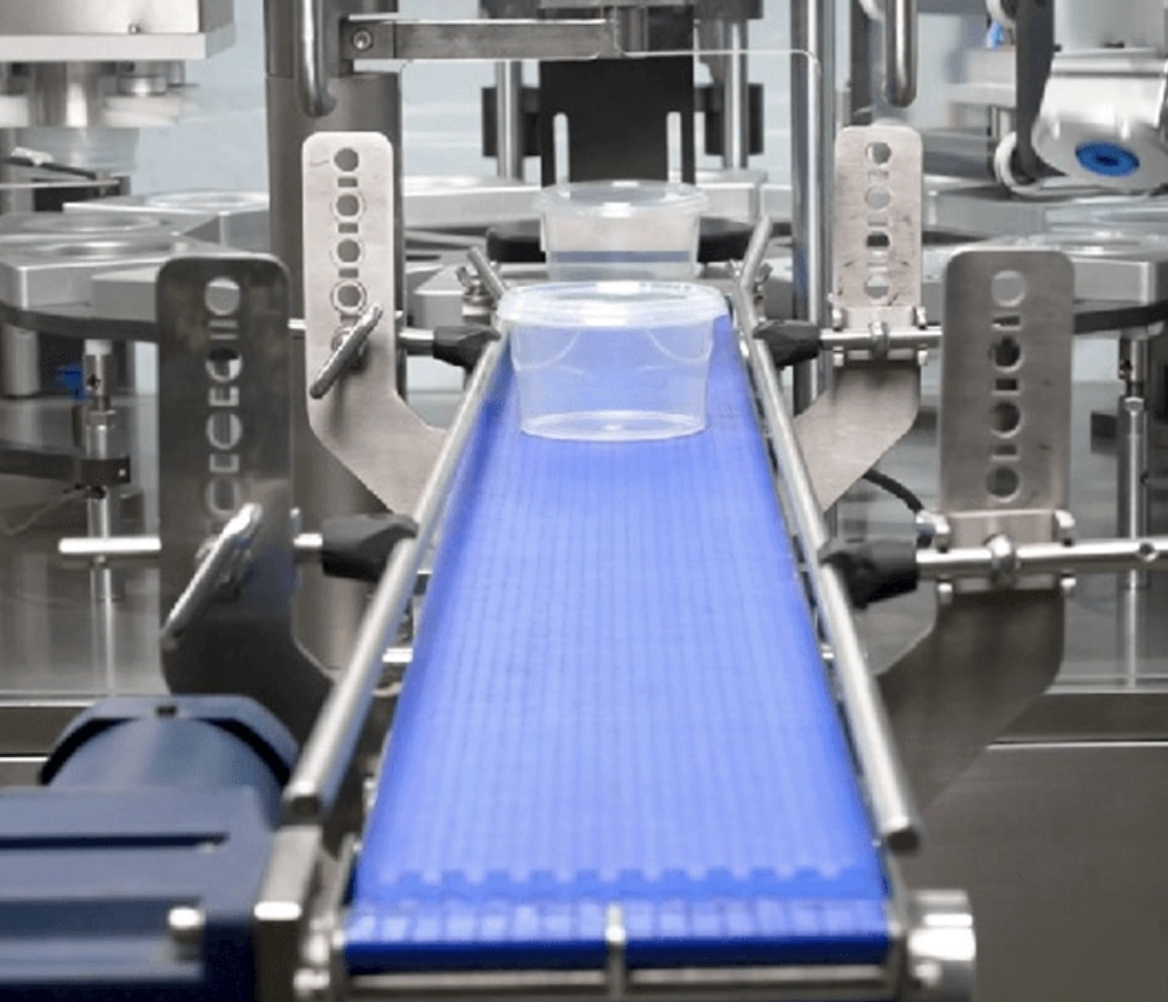
The packaging cycle begins with pouch feeding. Preformed pouches are loaded into a pouch magazine at the front of the machine. The Premade Pouch Packaging Machine automatically selects one pouch at a time using vacuum suction or mechanical grippers. Sensors detect the pouch position and confirm proper alignment. Once detected, robotic arms transfer the pouch to the next station. This automated pickup process ensures a continuous supply of packaging materials without manual intervention. Because the pouch is already shaped, the machine can position it precisely. This improves production stability and allows the packaging line to operate at high speeds during long manufacturing runs.
After pickup, the pouch enters the opening station. Vacuum suction pads pull apart the pouch mouth while air jets inflate it slightly. This process creates enough space for accurate filling without damaging the pouch structure. The Premade Pouch Packaging Machine then dispenses the product using a specialized filling system. Powder products often use auger fillers. Liquids rely on pump-driven filling heads. Granular materials may use multi-head weighers for precise measurement. Each filling method ensures consistent product quantities. Sensors monitor the dosing process to maintain accuracy. This level of precision is important in industries where weight control and product consistency directly affect quality standards.
Once filled, the pouch moves toward the sealing station. Heated sealing bars close the pouch opening using a combination of heat, pressure, and time. This bonding process creates a strong seal that protects the product inside. After sealing, a cooling bar passes over the seam. Cooling stabilizes the seal and prevents deformation. The finished pouch then exits the Premade Pouch Packaging Machine through a discharge conveyor. From there, it may enter inspection systems, metal detectors, or case packing equipment. This automated sequence—from pouch pickup to final discharge—repeats continuously. The result is a reliable packaging process that delivers consistent, shelf-ready products.
Rotary machines are among the most common types of Premade Pouch Packaging Machine. These systems use a rotating turret with multiple stations arranged in a circular layout. Each station performs a different packaging task such as bag feeding, filling, sealing, or inspection. As the turret rotates, pouches move from one station to the next. Several pouches can be processed simultaneously. This design allows high production speeds while maintaining precise control over each step of the packaging cycle. Rotary machines are widely used in large manufacturing plants. Their continuous motion supports high output levels and stable operation for large-scale packaging lines.
Horizontal machines process pouches along a straight production path. Instead of rotating around a turret, each pouch travels through stations arranged in sequence. This layout simplifies the mechanical structure while maintaining reliable performance. A horizontal Premade Pouch Packaging Machine is often chosen for medium production volumes. It provides excellent control when packaging delicate products or larger pouches. The linear design also allows easier integration with upstream and downstream equipment. Many manufacturers prefer horizontal systems when flexibility and layout simplicity are important in their packaging facility.
Premade pouch equipment varies by automation level. Some lines operate fully automatically, while others combine machine control with manual steps. Understanding the operational differences helps manufacturers match machine capability with production scale, labor availability, and packaging complexity.
| Category | Fully Automatic Premade Pouch Packaging Machine | Semi-Automatic Premade Pouch Packaging Machine |
|---|---|---|
| Typical Production Capacity | 40–200 pouches/min depending on pouch size and product type (common in rotary machines) | 10–40 pouches/min depending on operator speed and filling method |
| Automation Level | Fully automated pouch feeding, opening, filling, sealing, and discharge | Manual pouch loading, automated filling and sealing |
| Operator Involvement | Mainly monitoring, material replenishment, and parameter adjustment | Continuous operator participation for pouch placement and alignment |
| Typical Applications | Large-scale food production, pet food, coffee, snacks, frozen foods, pharmaceuticals | Small batch packaging, specialty foods, pilot production, seasonal product runs |
| Common Filling Systems | Multi-head weighers, auger fillers, piston pumps, volumetric cup fillers | Auger fillers or piston fillers integrated with manual pouch placement |
| Supported Product Types | Powders, granules, liquids, pastes, solids, mixed components | Mostly powders, granules, and small solid products |
| Typical Pouch Types | Stand-up pouches (doypack), zipper bags, spouted pouches, flat pouches | Flat pouches, small stand-up pouches, simple zipper bags |
| Typical Pouch Size Range | Width: 80–300 mm; Height: 100–450 mm (machine dependent) | Width: 80–250 mm; Height: 100–350 mm |
| Machine Layout | Rotary turret or multi-station indexing systems | Compact inline filling stations |
| Floor Space Requirement | Approximately 8–15 m² depending on machine size and accessories | Typically 3–8 m² |
| Power Consumption | 3–10 kW depending on sealing modules and filling equipment | 1–4 kW depending on configuration |
| Compressed Air Requirement | 0.5–0.7 MPa compressed air supply for pneumatic systems | 0.5–0.6 MPa compressed air supply |
| Packaging Accuracy | ±0.5–1.5% depending on filler type (multi-head weighers offer higher accuracy) | ±1–2% depending on manual handling consistency |
| Integration Capability | Easily integrates with conveyors, checkweighers, metal detectors, cartoners | Limited integration; usually used as standalone unit |
| Changeover Time (Pouch Size) | 10–30 minutes with servo-driven adjustments | 5–15 minutes due to simpler mechanisms |
| Typical Industries | Food & beverage, nutraceuticals, pharmaceuticals, chemical products | Startups, contract packers, R&D packaging lines |
| Maintenance Requirements | Scheduled maintenance of servo drives, sensors, sealing modules | Basic maintenance on fillers and sealing jaws |
| Labor Requirement | 1 operator per machine | 1–2 operators depending on speed |
| Production Line Role | Core equipment in high-volume automated packaging lines | Auxiliary equipment for flexible or short-run production |
Tip:Large factories usually select fully automatic systems when daily output exceeds several thousand pouches. Semi-automatic machines often serve pilot production, allowing companies to test pouch formats before investing in high-speed automated lines.
Automation greatly improves production efficiency. A Premade Pouch Packaging Machine can package dozens or even hundreds of pouches per minute depending on system design. The automated workflow reduces manual handling and keeps production lines moving continuously. This efficiency is especially valuable in high-volume industries such as snack foods or supplements. Manufacturers can meet growing market demand while maintaining consistent packaging output.
Faster production also shortens delivery cycles. Companies can respond quickly to retail demand and seasonal sales trends.
Product protection is a major priority in packaging. The Premade Pouch Packaging Machine uses precise sealing technology to create strong, reliable seals. Heat sealing parameters are carefully controlled to ensure consistent bonding.
Uniform sealing helps prevent leaks, contamination, or product loss during transportation. It also extends shelf life by protecting products from air or moisture exposure. This consistent quality strengthens brand reputation. Consumers receive products that look clean, safe, and professionally packaged.
Modern retail markets value attractive packaging. Premade pouches allow creative shapes and high-quality printing that enhance product visibility. A Premade Pouch Packaging Machine supports a wide range of pouch styles, giving brands more design freedom. Stand-up pouches display well on store shelves. Zipper pouches provide resealability for convenience. Spouted pouches work well for liquids and sauces. These formats help brands stand out in competitive markets. Because the machine handles different pouch designs easily, manufacturers can diversify product lines without major equipment changes.
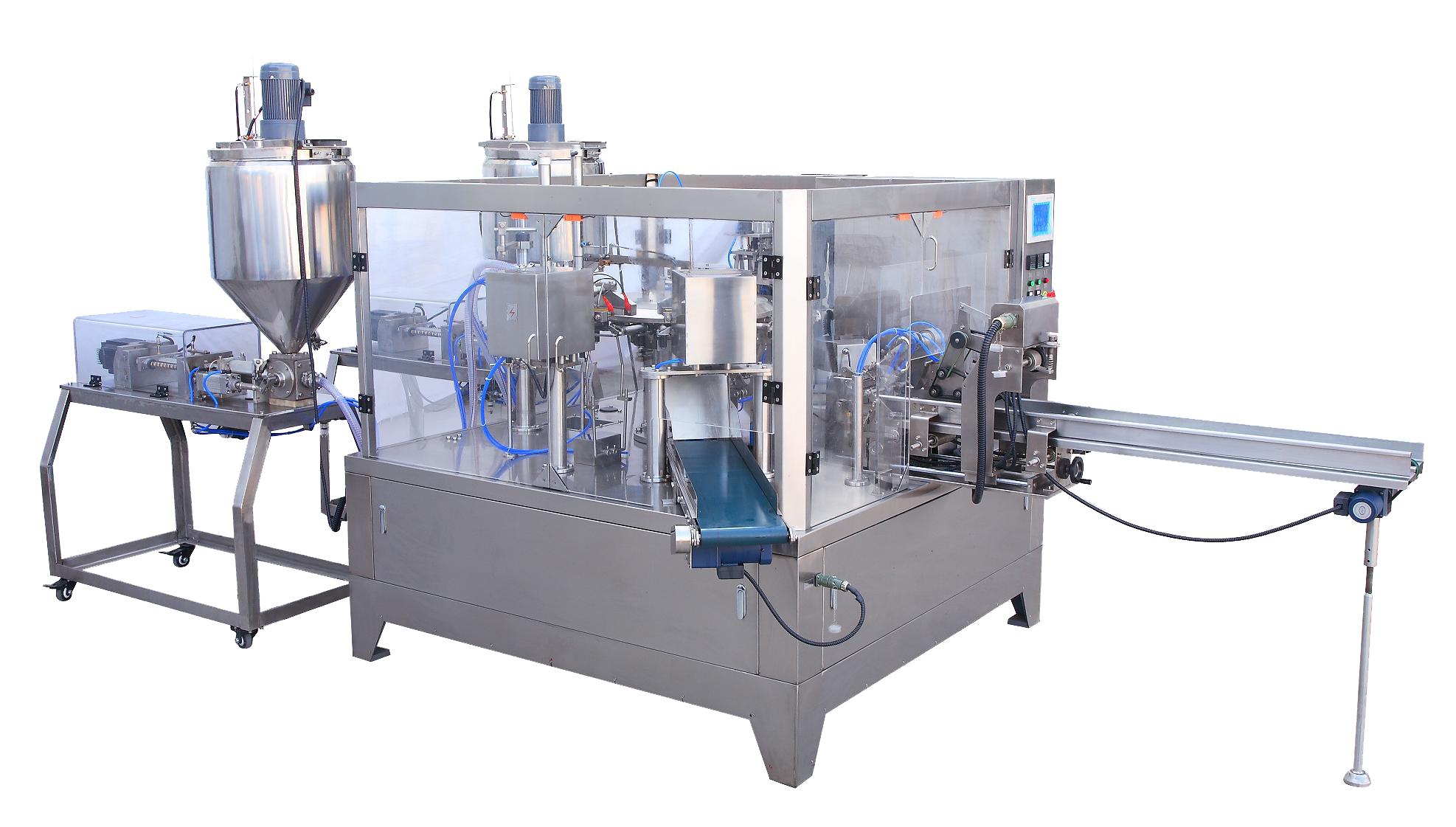
Food manufacturers widely adopt the Premade Pouch Packaging Machine because it supports many product types. Snacks, dried fruits, coffee, spices, sauces, and ready-to-eat meals are commonly packed in flexible pouches. These pouches preserve freshness while providing convenient storage for consumers. Resealable zipper pouches are especially popular in the snack industry. They allow customers to open and close the package multiple times. Food brands also benefit from high-quality pouch printing. Bright graphics and clear windows improve product visibility on retail shelves.
Pharmaceutical and supplement industries require strict hygiene standards. The Premade Pouch Packaging Machine supports these requirements through automated handling and precise dosing systems. Powder supplements, vitamin mixes, and medical products can be filled accurately into sealed pouches. Automation reduces human contact during packaging, improving cleanliness and consistency. Many pharmaceutical manufacturers also prefer pouch packaging for single-dose or controlled portions. This format helps ensure precise product delivery and improves consumer convenience.
Beyond food and pharmaceuticals, many consumer goods use flexible pouch packaging. Cosmetics, detergents, and pet food often rely on the Premade Pouch Packaging Machine for efficient packaging. Industrial products such as fertilizers, chemicals, and hardware parts can also be packed in durable pouches. The packaging protects materials during storage and transportation. Because the machine handles multiple product types, manufacturers can use a single packaging line for different markets and product categories.
Stand-up pouches are one of the most popular packaging formats. They include a bottom gusset that allows the pouch to stand upright on retail shelves. A Premade Pouch Packaging Machine can easily fill and seal these pouches during automated production. This format offers excellent shelf visibility. Large printable areas allow brands to display graphics and product information clearly. Consumers also find stand-up pouches convenient for storage in kitchens or pantries.
Because of these advantages, doypacks are widely used in snack foods, beverages, and nutritional products.
Flat pouches are simple yet efficient packaging formats. They are sealed on three sides and filled through the top before final sealing. A Premade Pouch Packaging Machine can process these pouches quickly due to their straightforward structure. These pouches are commonly used for small product portions such as spices, powders, or sample packs. Their compact size makes them ideal for lightweight packaging and easy transportation. Manufacturers often choose flat pouches when they need economical packaging with fast production speeds.
Flexible pouch packaging continues to evolve beyond simple flat bags. Zipper closures, spouts, and specialty structures improve usability and product protection. The following comparison outlines structural features, common applications, and technical parameters that packaging engineers consider when selecting these pouch formats.
| Category | Zipper Pouches | Spouted Pouches | Specialty Pouches (Shape / Functional) |
|---|---|---|---|
| Typical Structure | Flexible laminate pouch with integrated press-to-close zipper | Stand-up pouch with plastic spout and cap welded to film | Custom-shaped pouch, child-resistant pouch, multi-chamber pouch |
| Common Materials | PET/PE, PET/AL/PE, BOPP/CPP laminates | PET/NY/PE or PET/AL/PE multilayer laminates | PET/PE, PET/AL/PE, recyclable mono-material PE |
| Typical Film Thickness | 80–150 μm total laminate thickness | 120–200 μm laminate for higher pressure resistance | 80–180 μm depending on structure |
| Closure System | Interlocking zipper strip made of PE or PP | Injection-molded PP spout with screw cap | Custom closure such as slider zipper or tear notch |
| Typical Spout Diameter | Not applicable | 8.6 mm, 10 mm, 13 mm, 16 mm common standards | Depends on design |
| Common Fill Volume Range | 50 g – 1 kg depending on pouch size | 50 mL – 2 L depending on pouch structure | 10 g – 1 kg depending on application |
| Compatible Filling Systems | Auger filler, multi-head weigher, volumetric cup filler | Piston pump filler, peristaltic pump filler, liquid pump systems | Depends on product type |
| Typical Products | Coffee beans, snacks, nuts, protein powder, dried fruit | Baby food puree, juice, sauces, detergent, cosmetic gels | Nutritional supplements, pet treats, functional foods |
| Oxygen Transmission Rate (OTR) | 20–150 cc/m²/day depending on laminate barrier | <10 cc/m²/day for high-barrier laminates | Highly variable based on laminate |
| Moisture Barrier (WVTR) | 2–6 g/m²/day typical for food packaging laminates | 1–4 g/m²/day depending on foil or EVOH layer | Depends on barrier layer design |
| Sealing Temperature Range | 130–180°C depending on inner sealant layer | 140–190°C depending on laminate structure | 130–190°C depending on material |
| Typical Sealing Pressure | 0.3–0.5 MPa heat sealing pressure | 0.35–0.6 MPa for thicker laminates | 0.3–0.6 MPa |
| Machine Compatibility | Requires zipper opening device and pouch expansion station | Requires spout positioning and liquid filling nozzle | Requires custom grippers or pouch guides |
| Typical Pouch Width Range | 80–300 mm | 90–250 mm | 60–300 mm depending on design |
| Typical Pouch Height Range | 100–400 mm | 120–350 mm | 80–450 mm depending on shape |
| Consumer Convenience Feature | Resealable packaging for multiple uses | Easy pouring and controlled dispensing | Unique shelf appearance and brand differentiation |
| Retail Display Benefit | Stand-up stability and wide printable surface | Stable base and ergonomic pouring design | High visual impact for premium branding |
| Packaging Line Requirements | Zipper detection sensors recommended | Liquid filling module and anti-drip nozzle | Custom pouch alignment and shape detection sensors |
Tip:When packaging liquids or semi-liquids, spouted pouches require precise nozzle alignment and anti-drip filling systems. This prevents contamination in the sealing area and ensures consistent seal integrity during high-speed pouch packaging operations.
A Premade Pouch Packaging Machine enables fast and reliable pouch packaging. It automatically opens, fills, and seals preformed pouches with high accuracy. This technology supports food, pharmaceutical, and consumer product industries that require efficient flexible packaging. ZEEPACK Machinery Co., Ltd. provides advanced pouch packaging solutions designed for stable operation, precise filling, and consistent sealing, helping manufacturers improve productivity and maintain high packaging quality.
A: A Premade Pouch Packaging Machine fills and seals ready pouches automatically.
A: The Premade Pouch Packaging Machine opens, fills, seals, then discharges pouches.
A: It improves speed, accuracy, and packaging consistency.
A: Powders, liquids, snacks, supplements, and granules.
A: Price varies by speed, automation, and pouch size.
A: Premade Pouch Packaging Machine uses ready pouches; FFS forms bags.


