

close
Choose Your Site
Global
Social Media


Views: 0 Author: Site Editor Publish Time: 2026-02-25 Origin: Site


Form Fill Seal Machines streamline packaging by forming, filling, and sealing in one step. They boost efficiency, reduce labor, and keep products consistent. From vertical systems for powders and liquids to horizontal systems for delicate solids, each type serves unique needs. In this guide, we explore the main Form Fill Seal Machine types, their sealing methods, and how they can improve your packaging operations.
A form fill seal machine is an all-in-one packaging system. It creates a package, fills it with product, and seals it in a single, automated operation. They replace manual packaging steps, saving time and reducing labor. The machine can handle powders, liquids, granules, or solid items, depending on its design.
Using form fill seal machines gives you faster production speeds, consistent portion control, and better product protection. They also help minimize human error, keeping packaging reliable and neat.
Form fill seal machines operate in three main stages: forming, filling, and sealing. Each step ensures efficiency, accuracy, and product integrity.
The first step is shaping the package. The machine pulls flexible material—plastic film, laminate, or similar—into the desired bag, pouch, or tray shape.
Vertical forming: Material wraps around an upright tube; products drop in from above.
Horizontal forming: Material moves through horizontal cavities; products are inserted from the side.
| Form Type | Best For | Notes |
|---|---|---|
| Vertical | Powders, liquids, granules | Uses gravity or pumps |
| Horizontal | Solid or delicate products | Maintains shape and orientation |
Once the package is formed, the product is added. Accuracy is key. Too much or too little can waste product or cause spillage.
Common filling methods include:
Auger fillers: For powders and fine granules.
Multi-head weighers: For bulkier or mixed items.
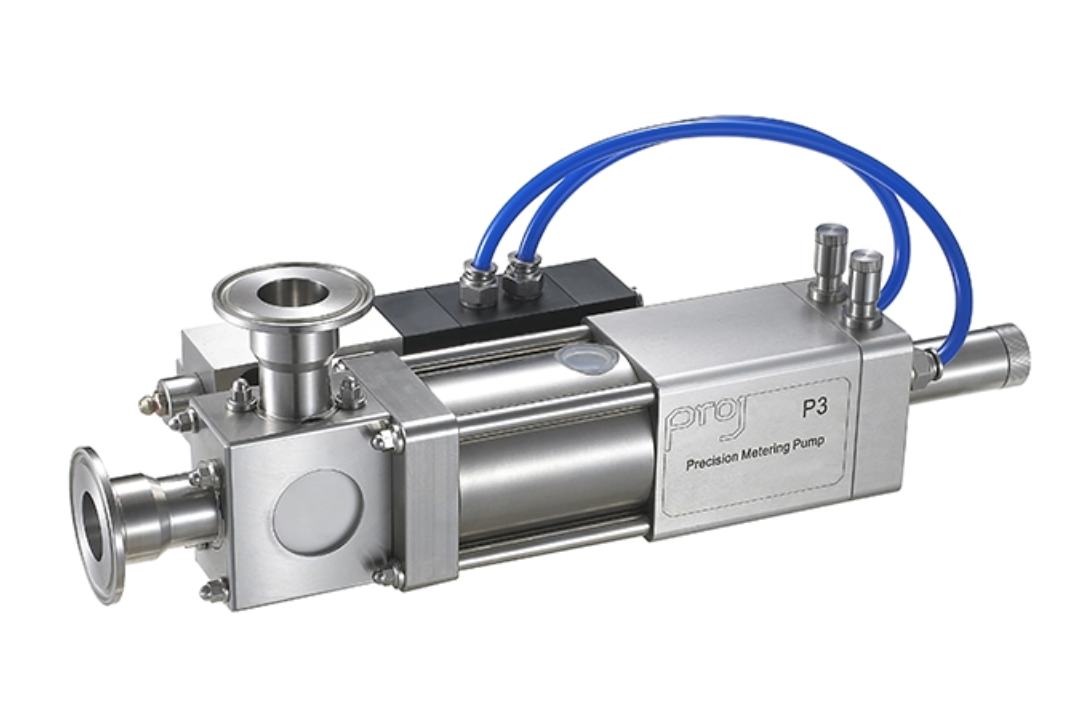
Pump fillers: For liquids and semi-liquids.
Gravity feed: For free-flowing solids.
Dosing systems ensure each bag, pouch, or tray receives the right amount. This prevents waste and keeps production smooth.
After filling, packages move to the sealing unit. Sealing keeps products safe, fresh, and ready for storage or shipment.
Sealing options include:
Heat sealing: Uses temperature to bond plastic layers.
Impulse sealing: Short bursts of energy seal thermoplastics.
Band sealing: Continuous heat seals many packages quickly.
Vacuum sealing: Removes air to extend shelf life.
Induction sealing: Uses electromagnetic heat for tamper-proof closures.
Each sealing method fits certain materials, products, and production speeds. Proper sealing protects the contents from air, moisture, and contamination.
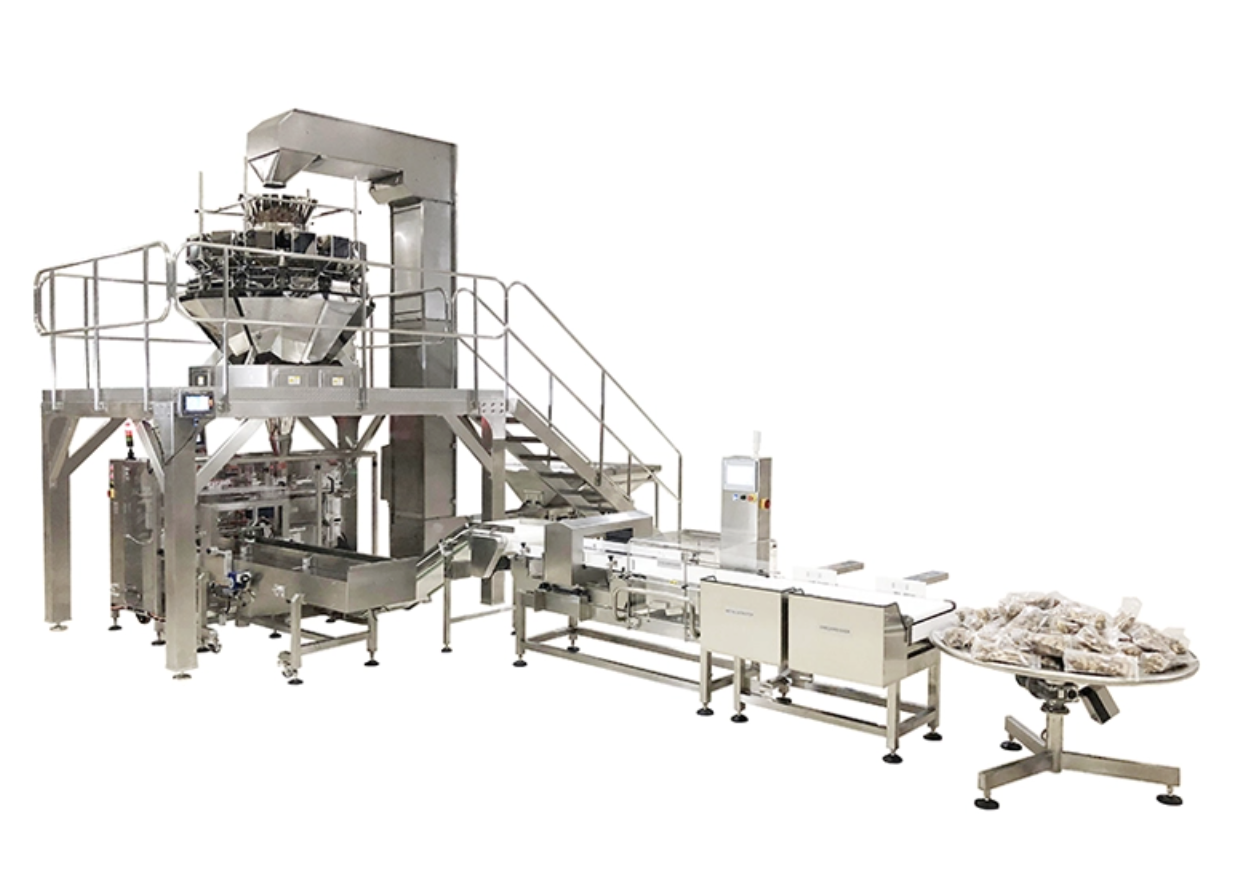
Vertical form fill seal machines shape packages vertically and fill them from the top. They work best for products that flow easily, such as powders, liquids, or granules.
Commonly packaged items include snacks, coffee, frozen foods, and sauces.
Key variations include:
Standard vertical baggers: Produce pillow bags, gusseted bags, or block-bottom bags at high speeds.
Multilane sachet machines: Make many single-serve packets simultaneously, ideal for condiments or instant coffee sticks.
Stick pack machines: Create long, narrow packets for portable powders or liquids.
Specialized liquid VFFS machines: Handle viscous products, gels, or sauces without spilling.
Blow-Fill-Seal systems: Form sterile containers and fill them in enclosed chambers, perfect for medical or pharmaceutical products.
Horizontal form fill seal machines form packages horizontally and fill products from the side. They excel at packaging solid items or delicate goods that need shape retention.
Common uses include candy bars, cookies, pre-formed pouches, and blister packs.
Variations include:
Horizontal flow wrappers: High-speed packaging for candy bars, cookies, and snack items.
Horizontal pouch/bag machines: Make stand-up pouches, resealable bags, and packages with spouts or compartments.
Thermoform-Fill-Seal machines: Heat and mold trays or blister packs for medical devices or premium foods.
Horizontal carousel/rotary FFS: Multi-step packaging for products like ready-to-eat meals or kits with multiple compartments.
| Feature | Vertical Form Fill Seal | Horizontal Form Fill Seal |
|---|---|---|
| Best Suited For | Powders, liquids, granules | Solids, pre-made pouches |
| Production Speed | Very high | Medium to high |
| Package Flexibility | Quick bag size changes | Supports custom shapes |
| Cost | Lower | Higher initial investment |
| Floor Space | Compact | Requires more space |
These comparisons help you decide which type suits your product, production speed, and packaging needs.
Heat sealing machines create seals by applying controlled heat and pressure to packaging materials. The edges melt slightly and fuse together once cooled, forming a strong bond.
Applications: Common in food, beverage, and pharmaceutical packaging. Ideal for snacks, sauces, and medical products.
Advantages:
Fast and efficient for high-volume production.
Cost-effective for most flexible films and laminates.
Versatile, works on a variety of packaging types.
Vacuum sealing removes air from the package before sealing, creating a tight vacuum environment.
Types:
Chamber vacuum sealers: Entire package placed inside a chamber for consistent vacuum.
External vacuum sealers: Air is removed only from the bag, ideal for small-scale use.
Benefits:
Extends product shelf life.
Prevents oxidation and bacterial growth.
Protects delicate or moisture-sensitive products.
Industries: Food, pharmaceuticals, electronics.
Induction sealing uses electromagnetic induction to heat foil liners inside bottle caps. The foil bonds to the container opening, creating a secure, airtight seal.
Applications: Tamper-evident bottles and jars for beverages, sauces, and pharmaceuticals.
Benefits:
High-speed, suitable for large production lines.
Hygienic, no direct contact with product.
Tamper-proof, ensures consumer confidence.
Impulse sealing machines deliver short bursts of heat to bond thermoplastic films. Unlike constant heat sealing, it only heats when activated.
Use Cases: Small-scale packaging or industrial production of pouches, bags, and sachets.
Advantages:
Energy-efficient, heats only when needed.
Provides precise, clean seals for sensitive materials.
Works on polyethylene, polypropylene, and polyester films.
Continuous sealing machines maintain constant heat along moving packaging, ideal for high-volume operations.
Rotary sealing machines use rotating rollers to apply heat and pressure, producing uniform, high-quality seals at fast speeds.
Benefits:
Continuous sealing supports uninterrupted production.
Rotary sealing ensures consistent quality across all packages.
Both types handle large-scale industrial packaging efficiently.
Band sealers create seals using heated bands that press and melt the package edges.
Types:
Horizontal band sealers: Seal flat packages on a conveyor.
Vertical band sealers: Seal upright pouches or liquid-filled bags.
Advantages:
Ideal for medium to large-scale production.
Produces airtight, tamper-evident seals.
Adjustable temperature and pressure for different materials.
Choosing the right Form Fill Seal machine is crucial for efficient packaging. Here are the main factors to weigh before investing.
| Factor | Key Consideration |
|---|---|
| Production Capacity | Match speed to demand |
| Product Type | Solids, powders, liquids |
| Sealing Technology | Heat, impulse, induction, vacuum |
| Packaging Style | Pillow, gusseted, stand-up, blister |
| Automation | Fully or semi-automatic |
| Compliance | Industry standards |
| Floor Space | Space available and integration |
| Changeover | Quick adjustment for product sizes |
Choosing carefully ensures your Form Fill Seal machine runs efficiently and meets production needs.
Form Fill Seal machines bring automation, speed, and precision to packaging. They are widely used across industries for their efficiency and reliability.
Form Fill Seal machines can package hundreds or thousands of items per hour. They combine forming, filling, and sealing in one operation, reducing manual labor. Production lines run smoother, and downtime decreases.
They use dosing systems like auger fillers, pump fillers, and multi-head weighers. This ensures each package contains the right quantity. Accuracy reduces product waste and improves consistency across batches.
Sealing technologies, such as heat, impulse, induction, and vacuum, provide strong and reliable seals. Products stay secure, tamper-evident, and protected from contamination.
Vertical machines occupy minimal floor space, while horizontal machines allow easy integration with other production equipment. Layouts can be adjusted to match existing factory designs.
Sealed packages maintain freshness, prevent spoilage, and protect from moisture, oxygen, and light. Sensitive products, including pharmaceuticals and foods, remain safe during storage and transport.
A: Vertical Form Fill Seal machines form bags vertically and fill via gravity or pumps, ideal for powders, liquids, and granules. Horizontal Form Fill Seal machines form packages horizontally, perfect for solids or delicate items needing shape retention.
A: Vertical Form Fill Seal machines generally offer the highest speeds, often packaging hundreds of bags per minute.
A: Yes, many Form Fill Seal machines support quick changeovers to handle various bag sizes and product types efficiently.
A: Food and beverage, pharmaceuticals, cosmetics, chemicals, and agro-products gain efficiency, consistent sealing, and product protection.
A: Consider product type, material sensitivity, shelf life needs, and tamper-proof requirements; options include heat sealing, impulse sealing, vacuum sealing, and induction sealing.
Choosing the right Form Fill Seal Machine can transform your production line, increasing speed and maintaining product quality. Whether you need precise filling, reliable seals, or flexible packaging formats, there’s a system to fit your needs.
ZEEPACK Machinery Co., Ltd. offers a range of high-performance Form Fill Seal Machines designed to streamline operations and protect your products. Explore their solutions and see how automation can make your packaging faster, safer, and more efficient.


