

close
Choose Your Site
Global
Social Media


Views: 0 Author: Site Editor Publish Time: 2026-03-12 Origin: Site


Flexible packaging grows quickly across many industries. Food, healthcare, and consumer brands increasingly adopt pouch packaging because it saves space and improves shelf visibility. Many manufacturers therefore invest in Premade Pouch Packaging Machines to increase packaging speed and consistency. Unlike traditional machines that form bags from film, these systems work with ready-made pouches. They open, fill, and seal them automatically. In this article, you will learn the main types of Premade Pouch Packaging Machines and how they support efficient modern packaging.
Rotary Premade Pouch Packaging Machines use a circular turret structure. Each pouch moves through multiple stations during rotation. One station loads pouches. Another opens them. The next fills the product. Final stations seal and discharge the pouch. This design allows several pouches to be processed at the same time. As a result, production speed remains high and consistent. Manufacturers often choose rotary machines for large-scale packaging lines. Snacks, coffee, powders, and pet food commonly use this system. Its multi-station workflow ensures precise timing and stable output. Many machines also integrate weighing systems and inspection modules to maintain consistent product quality.
Horizontal Premade Pouch Packaging Machines follow a linear layout. Pouches move along a straight production path. Each station performs one task, such as pouch opening, filling, sealing, or labeling. This structure simplifies machine adjustment and supports a wide range of pouch sizes. Manufacturers prefer horizontal systems when packaging larger pouches or specialty products. The layout provides more working space for heavy items or irregular product shapes. Many food brands use them for frozen meals, large snack bags, and bulk ingredients. Because stations align in sequence, operators can monitor each stage easily.
Mini Premade Pouch Packaging Machines serve small production environments. They occupy less floor space and require minimal setup. Despite their compact design, these machines still perform the core packaging steps: pouch feeding, opening, filling, and sealing. Startups and pilot production lines often choose compact machines. They allow brands to test packaging formats before scaling production. Compact models also support quick changeovers between pouch styles such as stand-up pouches and zipper bags. This flexibility makes them useful for niche products, specialty foods, and small batch manufacturing.
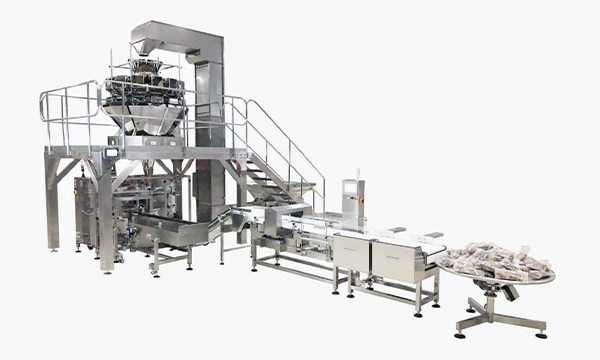
Fully automatic Premade Pouch Packaging Machines complete the entire packaging cycle without manual input. Operators load pouches into the magazine and configure the control system. The machine then handles pouch picking, opening, filling, sealing, and output automatically. These machines often include sensors, servo drives, and programmable logic controllers. Together they maintain precise timing and stable pouch positioning. In high-volume industries, automation reduces labor requirements and improves packaging consistency. Food factories and large packaging plants frequently rely on fully automated systems.
Semi-automatic Premade Pouch Packaging Machines combine manual handling with automated sealing. Operators may place products into pouches by hand before the machine seals them. This setup reduces equipment cost while still improving packaging consistency. Small manufacturers often prefer semi-automatic machines because they provide flexibility. Production teams can adjust filling volume or product type quickly. These machines also support custom packaging for specialty products. Many artisan food brands and local manufacturers adopt this model during early growth stages.
Integrated Premade Pouch Packaging Machines connect with upstream and downstream equipment. Typical systems include multi-head weighers, auger fillers, inspection cameras, and conveyors. Each component works together as a synchronized packaging line. This integrated approach increases efficiency and reduces handling time. Products move directly from weighing to pouch filling and sealing. Quality inspection systems check weight and sealing accuracy before final discharge. Such integrated packaging lines are common in modern automated factories.
Powder packaging requires precise measurement. Many Premade Pouch Packaging Machines use auger fillers to control dosing. A rotating screw mechanism dispenses measured powder into each pouch. This system works well for flour, spices, protein powder, and pharmaceutical materials. Accurate dosing protects product quality and prevents material waste. The filling system often connects to dust control equipment to maintain hygiene. In food and pharmaceutical facilities, precise powder handling ensures consistent packaging weight and regulatory compliance.
Granular products require accurate weight measurement. Many Premade Pouch Packaging Machines integrate multi-head weighers. These systems measure product portions before dropping them into pouches. Nuts, candy, coffee beans, and seeds commonly use this technology. Multi-head weighers increase accuracy and packaging speed. Each bucket weighs product portions simultaneously. The system selects the optimal combination for precise filling. This method reduces variation and maintains stable pouch weight across production batches.
Liquids and viscous products require precise metering and stable flow control during filling. In Premade Pouch Packaging Machines, different filling technologies are selected depending on viscosity, flow characteristics, and hygiene requirements. Proper pump systems, sealing parameters, and sanitation practices ensure accurate filling, minimal product loss, and consistent pouch integrity.
| Filling System Type | Suitable Product Viscosity | Typical Technical Parameters | Key Equipment Components | Typical Applications | Operational Considerations |
|---|---|---|---|---|---|
| Piston Pump Filling | Medium to high viscosity (≈500–20,000 cP) | Filling volume range: 50–1000 ml per cycle; filling accuracy ±1% | Stainless steel piston pump, servo drive, volumetric cylinder | Sauces, ketchup, mayonnaise, cosmetic creams | Product viscosity must remain stable to maintain volumetric accuracy |
| Gravity Filling System | Low viscosity liquids (≈1–500 cP) | Flow rate typically 5–20 L/min; fill tolerance ±1–2% | Gravity tank, flow control valve, filling nozzle | Water, juice, edible oils | Requires consistent liquid level in supply tank to maintain fill accuracy |
| Peristaltic Pump Filling | Low to medium viscosity (≈1–5,000 cP) | Filling range: 5–500 ml; accuracy ±0.5–1% | Peristaltic tubing pump, motor-driven rollers | Pharmaceuticals, liquid supplements, cosmetics | Tubing must be replaced periodically for hygienic operation |
| Servo Pump Filling | Wide viscosity range (≈10–50,000 cP) | Filling precision up to ±0.5%; programmable filling speeds | Servo motor, gear pump, PLC control system | Honey, syrups, gels, concentrated sauces | Servo parameters must match product viscosity for stable flow |
| Spouted Pouch Filling Systems | Liquids and semi-liquids | Filling speed typically 20–60 pouches/min depending on pouch size | Spout insertion unit, filling nozzle, capping station | Baby food, beverage pouches, detergent refills | Spout alignment must be accurate to avoid leakage during filling |
| Hygienic Filling Design | Food-grade liquids and gels | Stainless steel contact surfaces (SUS304 or SUS316); CIP compatibility | Sanitary piping, CIP cleaning ports, sealed filling heads | Dairy products, sauces, pharmaceutical liquids | Regular cleaning cycles required to prevent bacterial contamination |
| Sealing Parameters for Liquid Pouches | Laminate and PE pouches | Heat seal temperature: 130–200 °C; sealing pressure 0.3–0.6 MPa; dwell time 0.5–1.5 s | Heat sealing jaws, temperature controller, pressure actuator | Liquid food packaging, beverage pouches | Seal pressure and dwell time must match pouch film thickness |
Tip:When packaging viscous products such as sauces or gels, maintaining consistent product temperature during filling helps stabilize viscosity, which improves dosing accuracy and reduces sealing contamination risk.
Stand-up pouches attract attention on retail shelves. Many Premade Pouch Packaging Machines are optimized for these gusseted pouch designs. The bottom gusset allows the pouch to stand upright, improving product visibility. Brands often use stand-up pouches for coffee, snacks, supplements, and dried foods. The format offers larger printing space for branding. It also protects product freshness by supporting zipper closures and barrier films.
Flat pouches remain one of the most common packaging styles. Premade Pouch Packaging Machines can easily handle these simple formats. They consist of two panels sealed along the edges with a top opening for filling. Many snack foods, powders, and condiments use this pouch style. Its simple structure reduces packaging material costs. Because the pouch design is straightforward, packaging lines can achieve high speeds and stable production output.
Resealable pouches improve consumer convenience. Modern Premade Pouch Packaging Machines support pouches with built-in zipper closures. These closures allow users to open and reseal the package multiple times. Products like pet food, dried fruit, and protein powder benefit from resealable packaging. The zipper maintains freshness after opening. Packaging machines align the zipper area carefully before sealing to ensure proper closure performance.
Food producers rely on Premade Pouch Packaging Machines to support hygienic, high-efficiency packaging lines. Many systems follow food safety standards such as stainless-steel contact surfaces (SUS304 or SUS316) and sealed filling zones that reduce contamination risk. They are often integrated with multi-head weighers, nitrogen flushing modules, and metal detectors to preserve freshness and ensure product safety. Typical production speeds range from 30–80 pouches per minute depending on pouch size. These machines are widely used for snack foods, coffee, grains, frozen meals, and dehydrated products, helping manufacturers maintain consistent quality and attractive shelf presentation.
In pharmaceutical production, Premade Pouch Packaging Machines support strict dosing accuracy and hygienic packaging conditions. Many machines operate within cleanroom environments and use dust-controlled auger fillers for powders or precision pumps for liquid medicines. Weight inspection systems and vision inspection modules verify fill levels, sealing quality, and batch coding. This approach ensures consistent dosage packaging for supplements, medical powders, and healthcare products. Flexible pouches also provide effective barrier protection against moisture and oxygen, helping maintain product stability throughout distribution.
Cosmetic and personal care manufacturers increasingly use Premade Pouch Packaging Machines for efficient and visually appealing packaging. These machines handle products such as creams, gels, serums, powders, and liquid cosmetics with controlled filling systems designed for different viscosities. Many production lines include piston pumps or servo-driven filling units to maintain accurate product volumes. Flexible pouches allow creative design elements, including matte finishes, spouts, and zipper closures. This packaging format supports travel-size products, refill packs, and eco-friendly solutions while improving transport efficiency and retail shelf appeal.
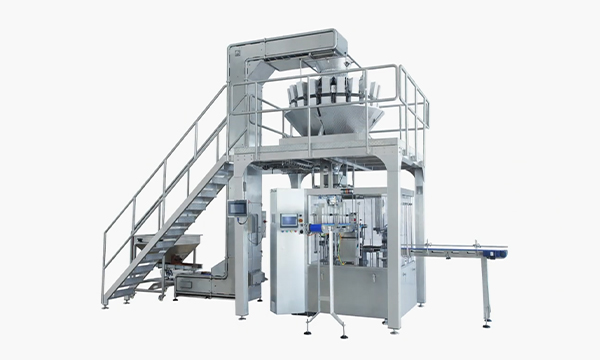
Modern Premade Pouch Packaging Machines operate through several processing stations. Each station performs a dedicated task such as pouch loading, opening, filling, or sealing. This staged workflow ensures smooth product flow through the machine. Because multiple operations occur simultaneously, the machine maintains steady throughput. Multi-station designs also improve packaging consistency because each step occurs at a precise position and timing.
High-speed performance defines modern packaging lines. Many Premade Pouch Packaging Machines can produce dozens of pouches per minute. Rotary machines achieve this speed by processing several pouches in parallel. Fast production reduces labor requirements and increases manufacturing efficiency. Companies can meet market demand while maintaining packaging quality. High throughput also improves overall packaging cost efficiency.
In multi-SKU packaging environments, equipment must adapt quickly to different pouch styles and sizes. Modern Premade Pouch Packaging Machines achieve this through adjustable pouch grippers, programmable servo systems, and modular sealing units. By calibrating these elements, manufacturers can switch between pouch formats while maintaining consistent sealing quality and filling accuracy.
| Changeover Dimension | Supported Pouch Types | Key Mechanical Components | Typical Technical Specifications | Common Industry Applications | Operational Considerations |
|---|---|---|---|---|---|
| Pouch Width Adjustment | Stand-up pouch, flat pouch, zipper pouch | Adjustable pouch grippers, guide rails, pouch magazine width adjusters | Typical pouch width range: 70–300 mm; adjustment tolerance ±1 mm | Snack food, coffee, pet food packaging | Recalibrate pouch opening sensors after width adjustment to prevent misfeeds |
| Pouch Length & Indexing Adjustment | Flat pouch, pillow pouch, doypack | Servo-driven indexing conveyor, timing belts, positioning sensors | Typical pouch length range: 100–400 mm; programmable indexing distance | Dried food, confectionery, powder products | Sensor position must be recalibrated when changing pouch length |
| Sealing Temperature Adjustment | PE pouches, PP pouches, aluminum laminate pouches | Heat sealing jaws, PID temperature controllers, pressure modules | Heat seal temperature: 120–200 °C; temperature control accuracy ±2 °C | Coffee, snack food, seasoning packaging | Seal pressure and dwell time must match pouch material thickness |
| Filling System Configuration | Powder, granules, liquids | Auger filler, multi-head weigher, piston pump | Powder filling accuracy ±1–2 g; granular weighing accuracy ±0.5–1.5 g | Spices, nuts, sauces, beverage concentrates | Cleaning of dosing equipment required before product change |
| Pouch Opening Adjustment | Stand-up pouch, zipper pouch | Vacuum suction cups, pneumatic pouch opening arms | Vacuum pressure typically −60 to −80 kPa; compressed air 0.5–0.7 MPa | Food, cosmetics, personal care packaging | Suction cup alignment must match pouch mouth position |
| Zipper Alignment & Sealing | Zipper pouches | Zipper guide system, secondary sealing unit | Zipper alignment tolerance ≤1 mm; sealing pressure approx. 0.3–0.6 MPa | Pet food, dried fruit packaging | Improper alignment may affect reseal performance |
| Format Changeover Time | Multiple pouch formats | Quick-release fixtures, modular tooling systems | Typical changeover time: 10–30 minutes depending on machine model | Multi-product packaging lines | Always perform test runs and weight calibration after changeover |
Tip:For production lines handling multiple pouch formats, establishing a standardized changeover procedure—including pouch gripper calibration, sealing temperature verification, and trial runs—helps maintain consistent packaging quality and minimize downtime.
Flexible packaging keeps growing fast as many industries adopt pouch formats for efficient distribution. Premade Pouch Packaging Machines support this shift by enabling fast filling, accurate dosing, and reliable sealing across many pouch types. Rotary, horizontal, and compact systems serve different production scales and product needs. ZEEPACK Machinery Co., Ltd. provides advanced pouch packaging equipment designed for stable operation, flexible changeover, and efficient production, helping manufacturers achieve consistent packaging quality and improved productivity.
A: Premade Pouch Packaging Machines open, fill, and seal ready-made pouches automatically.
A: Common types include rotary, horizontal, and compact Premade Pouch Packaging Machines.
A: Premade Pouch Packaging Machines improve speed, accuracy, and packaging consistency.
A: Yes, liquid Premade Pouch Packaging Machines use pumps for precise dosing.
A: Cost varies by speed, automation level, and configuration.


