

close
Choose Your Site
Global
Social Media


Views: 0 Author: Site Editor Publish Time: 2026-03-19 Origin: Site


Flexible pouch packaging now fills retail shelves worldwide. Snacks, coffee, pet food, cosmetics, and many daily products use pouch formats because they are lightweight, attractive, and easy to store. For manufacturers, selecting the right Premade Pouch Packaging Machine is essential for stable production, accurate filling, and consistent sealing quality. The machine you choose directly influences efficiency, product safety, and packaging appearance. In this article, you will learn how to evaluate machine types, production capacity, pouch compatibility, and automation features so you can confidently select a Premade Pouch Packaging Machine that supports both current operations and future growth.
A Premade Pouch Packaging Machine operates through a coordinated cycle that opens a pouch, fills it with product, and seals the top securely. The pouches arrive already formed, which eliminates the film-forming stage found in other packaging systems. The machine grips each pouch, spreads it open, fills it with a measured quantity of product, and then seals it using heat or pressure. In most modern packaging lines, the machine works alongside weighing systems, product feeders, and conveyors. These components work together to maintain accurate filling and consistent output. The result is a streamlined packaging process that supports stable production and reliable product protection.
One major advantage of a Premade Pouch Packaging Machine is its ability to perform quick changeovers. When manufacturers run multiple product varieties, they can switch pouch sizes or graphics quickly. This flexibility supports operations that handle many stock keeping units. The machine design is also compact. It fits easily into existing production facilities and requires less floor space compared with some alternative packaging systems. Operators appreciate the simplified workflow because the equipment focuses only on filling and sealing. As a result, teams can maintain consistent production performance with minimal disruption.
Many industries rely on a Premade Pouch Packaging Machine to package products safely and efficiently. Food producers frequently use these machines for snacks, nuts, frozen foods, and ready meals. Coffee roasters and beverage companies also benefit from the ability to seal pouches that maintain freshness and product quality. Cosmetic and pharmaceutical manufacturers often adopt pouch packaging for creams, powders, and supplements. These industries value clean sealing and precise filling. Chemical and household product manufacturers also use pouch packaging for items like detergents and cleaning solutions. Across these industries, pouch packaging improves product presentation while maintaining reliable protection.
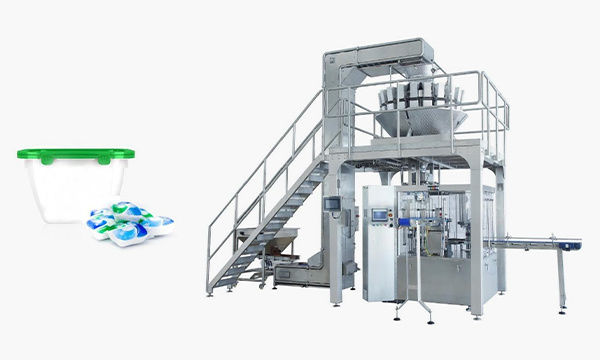
Product type is one of the most important factors when choosing a Premade Pouch Packaging Machine. Different products require different filling technologies to maintain accuracy and efficiency. Granular products such as snacks or candy often use multi-head weighing systems that distribute precise amounts quickly. Powdered materials, including flour or protein supplements, typically require auger fillers that control the flow of fine particles. Liquid products such as sauces or oils rely on piston pumps or liquid filling systems to ensure stable dispensing. Selecting the right filling method ensures smooth operation and consistent packaging performance.
Product characteristics influence the design of a Premade Pouch Packaging Machine setup. Lightweight products may require careful handling to prevent scattering during filling. Heavy products require stronger pouch handling and sealing mechanisms to maintain package integrity. Fragile products such as chips or delicate snacks need gentle filling methods. A well-designed machine can reduce product breakage by controlling drop height and filling speed. By analyzing weight, density, and fragility, manufacturers can configure the machine to protect product quality while maintaining efficient packaging output.
Many industries require strict hygiene standards. A Premade Pouch Packaging Machine designed for food or pharmaceutical production typically uses stainless steel construction. This material resists corrosion and allows easy cleaning after production runs. Machines often include smooth surfaces and removable components that simplify sanitation. These features help operators clean the system quickly while maintaining production schedules. Maintaining hygienic equipment protects product safety and ensures compliance with regulatory standards. It also helps companies maintain consumer trust and consistent product quality.
A rotary Premade Pouch Packaging Machine uses a circular structure that moves pouches through multiple stations. Each station performs a specific step such as opening, filling, sealing, and inspection. This rotating process supports continuous production and high efficiency. Rotary machines are often selected for operations that require stable output and consistent packaging speed. Their design allows several pouches to be processed simultaneously. This configuration helps manufacturers maintain high productivity while ensuring accurate filling and reliable sealing.
A horizontal Premade Pouch Packaging Machine moves pouches along a straight conveyor path. The pouches remain horizontal while the machine fills and seals them. This layout works well for larger pouch sizes or products with irregular shapes. Many manufacturers prefer horizontal machines when packaging bulky or heavy products. The straight layout also simplifies integration with upstream feeding equipment. By maintaining a stable pouch position during filling, the machine ensures accurate product placement and consistent sealing performance.
Automation level determines labor efficiency, production stability, and throughput in a Premade Pouch Packaging Machine. The choice between fully automatic and semi-automatic systems depends on production scale, workforce availability, and the desired level of process integration.
| Parameter | Fully Automatic Premade Pouch Packaging Machine | Semi-Automatic Premade Pouch Packaging Machine |
|---|---|---|
| Core Operation Process | Automatic pouch feeding, opening, filling, sealing, and discharge | Manual pouch loading; automatic filling and sealing |
| Typical Production Speed | 30–90 pouches/min depending on machine configuration | 10–30 pouches/min depending on operator handling speed |
| Labor Requirement | 1–2 operators mainly for monitoring and material supply | 2–4 operators required for pouch feeding and supervision |
| Typical Machine Footprint | 100–200 sq ft (9–18 m²) depending on station count | 40–100 sq ft (4–9 m²) depending on model |
| Common Filling Systems | Multi-head weighers, auger fillers, liquid piston pumps | Auger fillers, small weighers, or manual feeding systems |
| Pouch Feeding System | Automatic pouch magazine with vacuum suction pick-up | Manual pouch placement into holder or clamp |
| Suitable Pouch Width Range | Typically 80–300 mm depending on model | Typically 80–250 mm depending on holder size |
| Control System | PLC control with HMI touchscreen interface | Basic PLC or relay control with push-button interface |
| Integration Capability | Compatible with conveyors, checkweighers, metal detectors, labeling systems | Usually standalone machine with limited line integration |
| Typical Industries | Food processing plants, beverage manufacturers, pet food producers, large consumer goods factories | Small food producers, contract packers, pilot production facilities |
| Installation Complexity | Requires line integration and power supply planning | Simple installation with minimal line integration |
| Maintenance Interval | Routine inspection every 500–1000 operating hours (typical industry recommendation) | Basic maintenance every 300–800 operating hours |
| Energy Consumption | Approx. 3–7 kW depending on machine size and stations | Approx. 1–3 kW depending on configuration |
| Automation Features | Automatic pouch detection, fill weight control, sealing temperature monitoring | Basic filling and sealing functions with limited automation |
Tip:When planning long-term production growth, selecting a fully automatic Premade Pouch Packaging Machine often improves consistency and reduces labor dependency while allowing easier integration into complete automated packaging lines.
Different pouch structures require specific handling mechanisms in a Premade Pouch Packaging Machine. The gripping method, filling stability, and sealing parameters must match the pouch geometry to maintain packaging accuracy and reliable sealing.
| Pouch Type | Structural Characteristics | Typical Applications | Compatible Machine Handling | Typical Size Range | Filling Capacity Range | Sealing Temperature Range | Technical Considerations |
|---|---|---|---|---|---|---|---|
| Stand-Up Pouch (Doypack) | Bottom gusset allows pouch to stand upright; multi-layer laminated film structure | Coffee, snacks, pet food, powdered drinks, frozen foods | Vacuum suction cups or mechanical grippers hold pouch mouth while bottom gusset expands | Width: 80–300 mm; Height: 120–420 mm | 50 g – 2 kg depending on film strength | 120–180 °C for laminated films such as PET/PE or PET/AL/PE | Requires bottom expansion station to stabilize pouch during filling; precise pouch opening required to prevent powder spill |
| Flat Pouch (3-Side Seal) | Three sealed edges with flat profile; minimal structure | Sauces, condiments, cosmetics samples, pharmaceutical sachets | Edge gripping clamps open pouch mouth while maintaining flat orientation | Width: 60–250 mm; Height: 80–350 mm | 5 g – 500 g depending on pouch thickness | 110–170 °C depending on film material | Requires precise alignment of seal jaws; flat structure reduces filling stability for high-volume products |
| Gusseted Pouch (Side Gusset) | Expandable side folds increase internal volume | Coffee beans, rice, grains, dry foods | Side gusset expansion guides stabilize pouch body during filling | Width: 90–300 mm; Height: 150–450 mm | 250 g – 5 kg depending on bag material | 130–190 °C for multilayer films | Side gussets must open fully before filling to prevent product accumulation near seal area |
| Quad Seal Pouch | Four vertical seals create box-like structure with high rigidity | Premium coffee, pet food, specialty grains | Multi-point grippers hold edges to maintain square base during filling | Width: 120–320 mm; Height: 180–450 mm | 500 g – 3 kg | 140–200 °C depending on film structure | Requires stable pouch positioning and controlled product drop height to maintain shape |
| Flat Bottom Pouch | Flat base with side gussets; combines stability and large volume | High-end food products, specialty powders | Bottom forming guides ensure pouch stability during filling | Width: 120–350 mm; Height: 180–500 mm | 500 g – 5 kg | 140–200 °C for multilayer laminated films | Requires accurate pouch opening and strong sealing pressure to maintain flat base integrity |
Tip:When selecting a Premade Pouch Packaging Machine, confirm that the gripping system, filling mechanism, and sealing jaws are designed for your pouch structure. This ensures stable pouch handling and consistent seal quality during high-speed packaging.
Modern packaging often includes convenience features such as zipper closures or spouts. A compatible Premade Pouch Packaging Machine must handle these elements carefully during filling and sealing. Zipper pouches allow consumers to reseal products, which helps maintain freshness. Spouted pouches are common in beverage and liquid packaging. These designs require precise alignment during filling and sealing. By choosing a machine designed for specialty closures, manufacturers can maintain high packaging quality while offering convenient packaging formats to consumers.
Packaging materials also influence machine selection. A Premade Pouch Packaging Machine must handle laminated films, recyclable materials, and paper-based pouches effectively. Each material requires different sealing temperatures and pressure settings. Machines designed for flexible material compatibility allow manufacturers to adopt new packaging formats as market preferences evolve. This flexibility helps companies respond quickly to sustainability trends and changing consumer expectations. Selecting equipment with adaptable sealing technology ensures long-term packaging versatility.
Production speed determines whether a Premade Pouch Packaging Machine can meet operational demand. Manufacturers typically calculate output requirements based on daily production targets. The machine’s pouch-per-minute capability should align with this target. For example, a facility packaging thousands of units per hour needs a machine capable of consistent high-speed operation. Matching machine speed with production demand prevents bottlenecks and ensures efficient workflow throughout the packaging line.
When selecting a Premade Pouch Packaging Machine, businesses should consider long-term production growth. A machine that supports higher capacity allows companies to expand without replacing equipment too soon. Many modern machines offer modular upgrades or additional stations that increase output capacity. This approach supports future expansion and helps manufacturers scale their operations efficiently. Investing in scalable packaging equipment helps companies adapt to market demand and product portfolio growth.
High production speed is valuable, but it must not reduce packaging quality. A reliable Premade Pouch Packaging Machine maintains accurate filling and consistent sealing even at higher speeds. Precision ensures that each pouch contains the correct product quantity. Stable sealing prevents leaks and preserves product freshness. By balancing speed and accuracy, manufacturers can maintain strong production performance while protecting product integrity. Modern packaging equipment often includes sensors and monitoring systems to ensure consistent packaging results.
Frequent product variations require machines that support rapid adjustments. A Premade Pouch Packaging Machine designed for quick changeovers allows operators to switch pouch sizes or product types efficiently.
These features minimize downtime and keep production schedules stable. Adjustable components and intuitive controls make the process faster. By reducing transition time between product runs, manufacturers can improve overall operational efficiency and maximize machine utilization.
Modern packaging systems rely on digital control technology. A Premade Pouch Packaging Machine often includes PLC control systems and touchscreen interfaces. These tools allow operators to adjust settings quickly and monitor performance in real time.
Automation systems can track production speed, filling accuracy, and sealing temperature. This data helps operators maintain consistent operation. Smart controls also simplify troubleshooting and maintenance, which helps maintain smooth production flow.
Manufacturers benefit from machines that allow customization. A modular Premade Pouch Packaging Machine can include additional features such as nitrogen flushing, date coding, or product inspection systems.
These features enhance packaging quality and product traceability. For example, nitrogen flushing helps maintain freshness in food packaging. Date coding ensures regulatory compliance. By choosing equipment with modular capabilities, businesses gain flexibility to adapt packaging processes as production needs evolve.
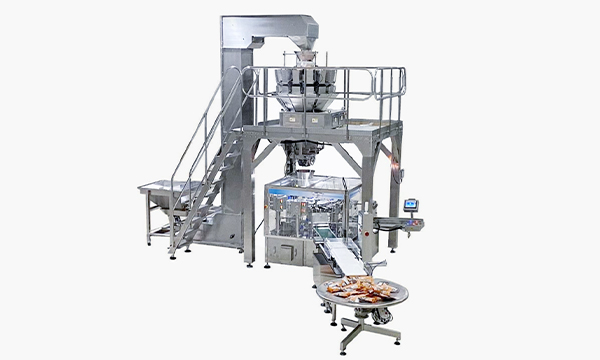
Investing in a Premade Pouch Packaging Machine requires evaluating both equipment cost and operational benefits. The total investment includes machine purchase, installation, and training. However, improved efficiency and labor savings often offset these costs over time.
Companies should calculate expected production improvements and labor reductions. When the machine improves output consistency and reduces manual tasks, it creates measurable operational value. A clear cost evaluation helps businesses make confident purchasing decisions.
Reliable supplier support is critical for long-term machine performance. A reputable manufacturer provides technical training, maintenance services, and spare parts availability for the Premade Pouch Packaging Machine.
Strong support ensures that equipment continues operating smoothly throughout its lifecycle. Many suppliers also provide consultation services to help configure packaging lines. Working with an experienced partner helps manufacturers maintain efficient production and avoid unnecessary downtime.
Before finalizing a purchase, many manufacturers request machine testing. Running actual products on a Premade Pouch Packaging Machine confirms that the equipment performs as expected.
Testing helps verify filling accuracy, sealing strength, and production speed. It also allows engineers to adjust machine settings for optimal performance. This step ensures that the machine aligns with real production requirements and supports a smooth installation process.
Selecting the right Premade Pouch Packaging Machine helps manufacturers improve production efficiency, filling accuracy, and packaging consistency. By evaluating product type, pouch design, automation level, and production capacity, businesses can build a stable and scalable packaging system. Reliable equipment also supports long-term operational growth. ZEEPACK Machinery Co., Ltd. provides advanced premade pouch packaging machines designed for flexible pouch compatibility, stable automation, and dependable performance, helping manufacturers achieve efficient packaging operations and consistent product quality.
A: A Premade Pouch Packaging Machine fills and seals preformed pouches automatically.
A: Match the Premade Pouch Packaging Machine to product type, pouch style, and speed.
A: A Premade Pouch Packaging Machine improves efficiency, filling accuracy, and sealing consistency.
A: Price depends on automation level, speed, pouch size range, and optional systems.
A: Yes. Many Premade Pouch Packaging Machines support stand-up, flat, and zipper pouches.


